Plastic free products are essential for individuals seeking to reduce plastic waste in their daily lives, support a cleaner environment, and embrace a healthier lifestyle. Choosing to be plastic free matters because it helps minimise plastic pollution, protects ecosystems, and reduces exposure to harmful chemicals. Whether you are just starting your journey or looking to expand your sustainable habits, our collection is designed to make plastic-free living accessible and practical.
Discover our wide range of plastic free products designed to help you live more sustainably. Our selection includes eco-friendly alternatives for every routine, such as:
These plastic free options help reduce plastic waste, support a cleaner environment, and make it easy to embrace a sustainable lifestyle.
You might be shocked to learn that on average Australians use 130 kg of plastic per person each year. And between 2017 and 2018, a total of 3.4 million tonnes of plastics were consumed in Australia alone. Only 19% of plastics used in Australia ends up recycled, with the majority ending up in landfill or littered in natural environments. Plastics in landfill emit methane, a potent greenhouse gas, so reducing plastic use is crucial for lowering emissions and protecting the environment.
Many refer to current plastic pollution levels as a plastic crisis. For example, plastic bags have an average lifespan of only 12 minutes but can take up to 500 years to degrade, making them a significant environmental concern. Australians consume 910 million plastic cups every year, many of which are not recyclable and contribute to significant waste. In addition, it is estimated that 3 million coffee pods end up in landfill every day in Australia, highlighting the urgent need for more sustainable coffee consumption practices.
Over 8 million tons of plastic enter oceans annually, where marine animals often mistake it for food or become entangled.
Plastic production relies heavily on non-renewable fossil fuels and consumes vast amounts of energy. Transitioning to plastic-free lifestyle significantly reduces environmental pollution and health risks by eliminating non-biodegradable waste and harmful chemical leaching.
Traditional plastics can contain harmful chemicals like BPA and phthalates, which can leach into food and water, posing health risks to humans and ecosystems.
While there are many big, system level changes that are needed to solve this crisis, cutting down plastics in our own lives is one way we can help and feel better about the situation. Switching to plastic-free, reusable products is one of the simplest ways to cut out single use plastic items from our lives.
Many single-use plastic products, such as cutlery and plates, are now banned in various Australian states, promoting the use of reusable or compostable alternatives.
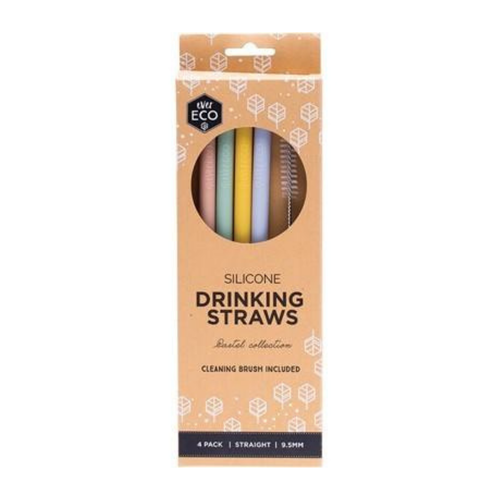
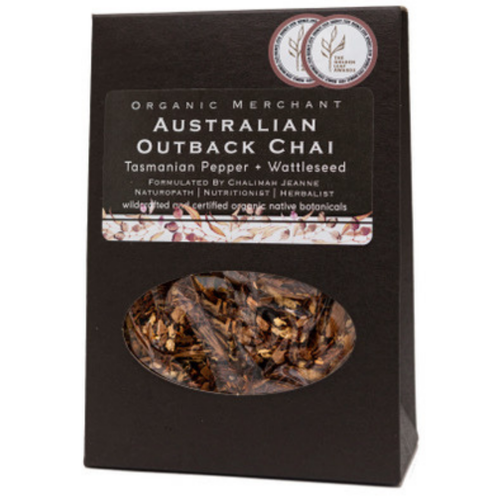
If you’re a coffee, chai latte or tea drinker then you’ve no doubt used your fair share of single-use coffee cups in your time. Sometimes, we can’t help it. But bringing a reusable coffee cup with you on the go is a great way to avoid using a single-use one. We also recommend keeping a reusable water bottle in your bag, as bottled water is not only expensive but a big contributor to plastic waste. For drinks on the go, consider using:
as sustainable alternatives to single-use plastic drinkware.
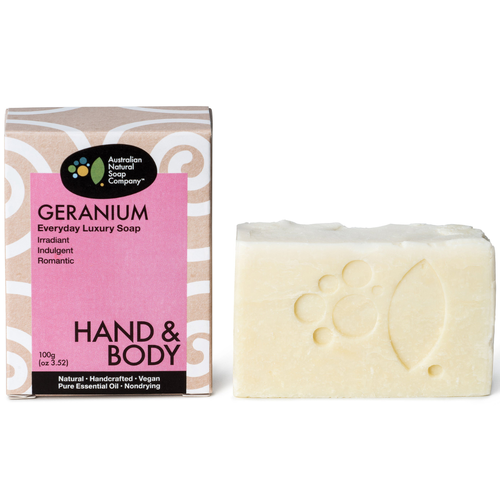
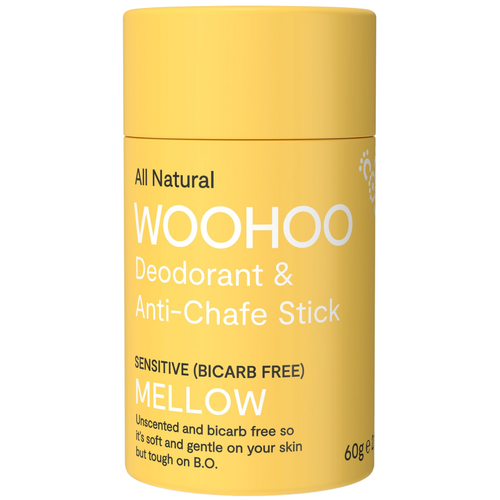
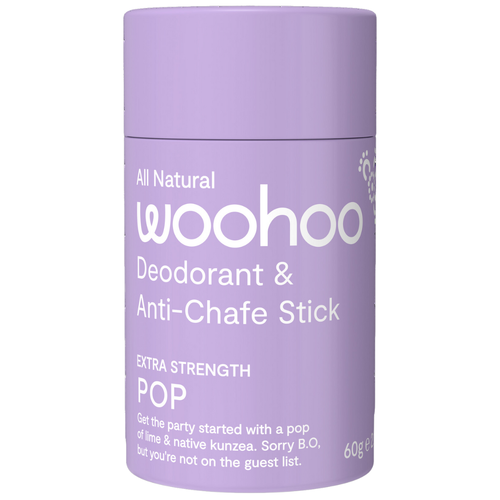
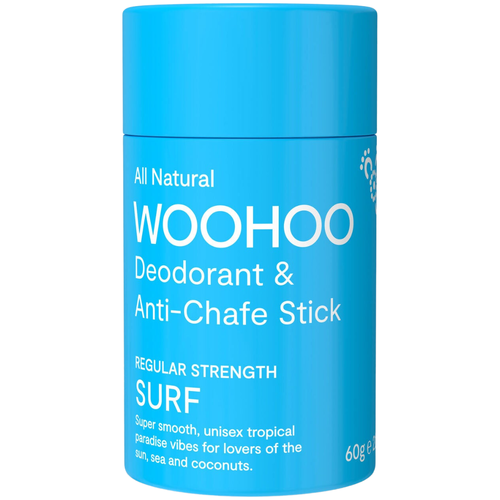
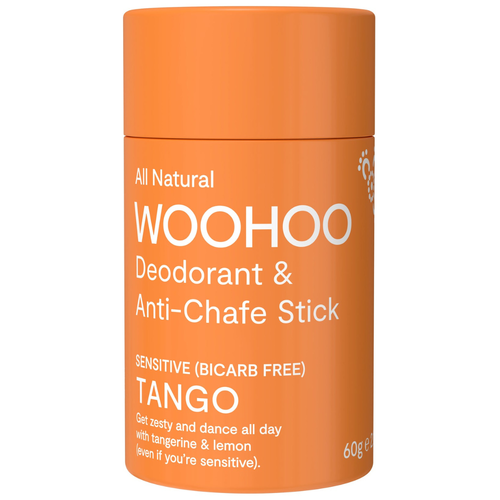
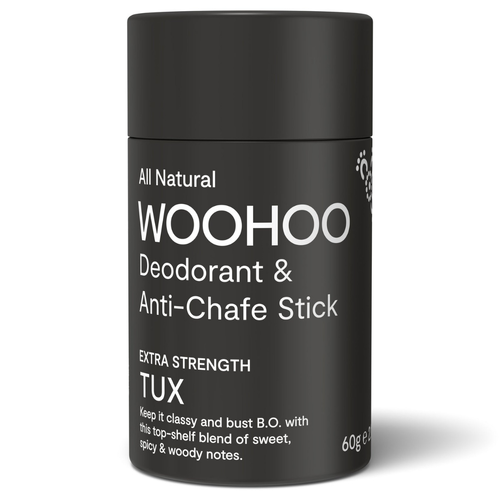
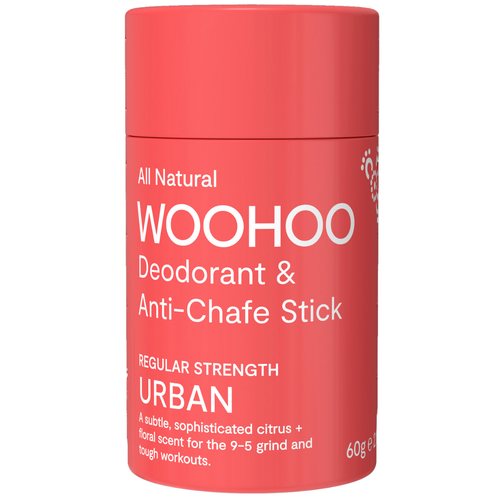
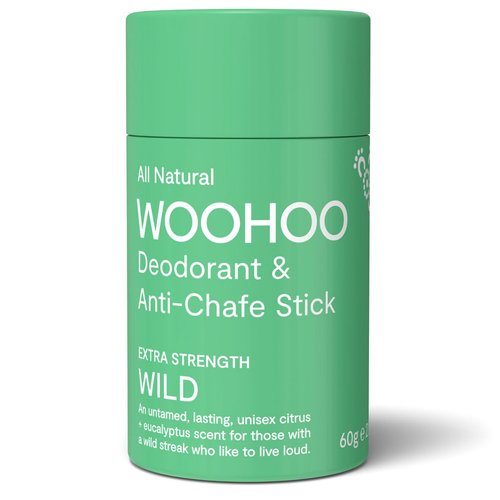
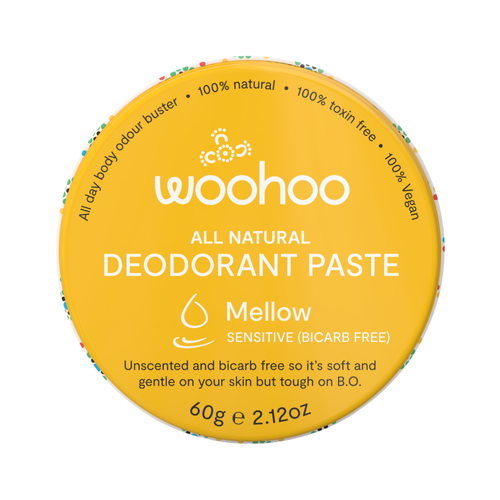
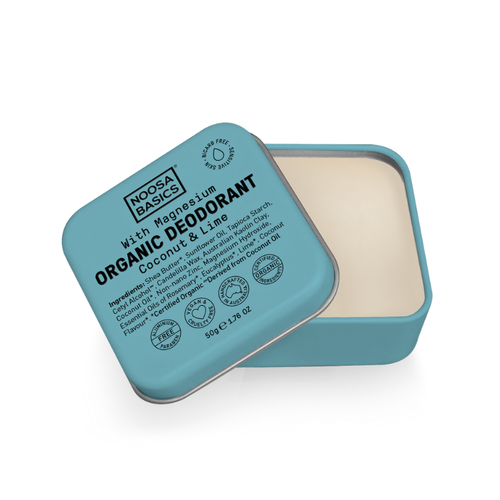
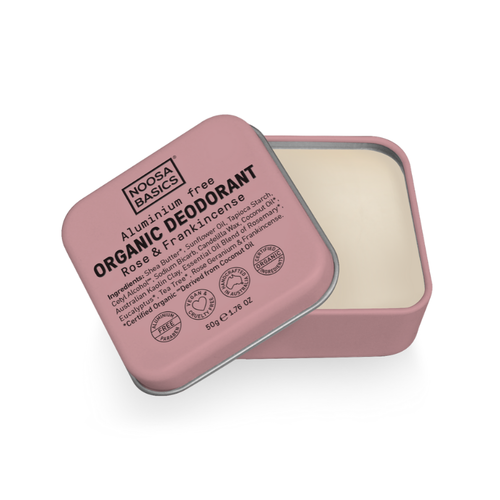
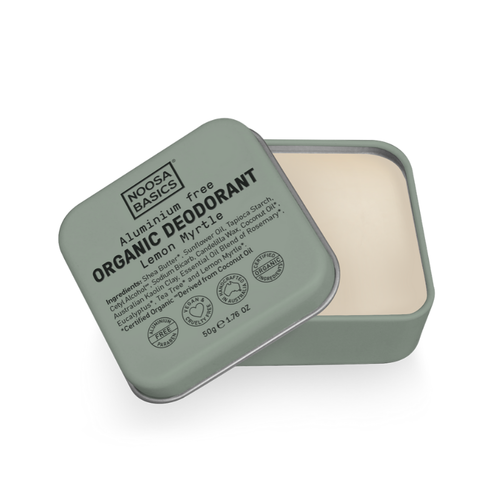
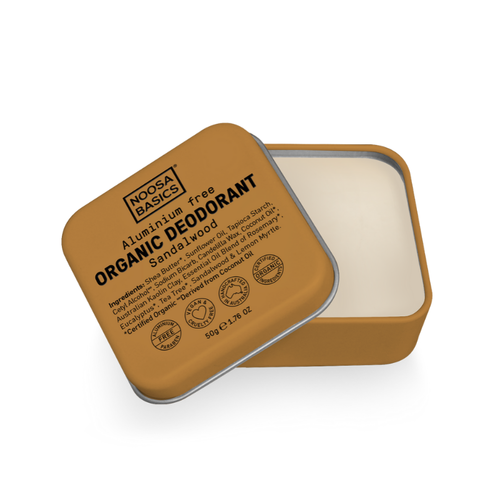
Speaking of water, another simple swap we love at Sassy Organics is switching to solid beauty products. For example:
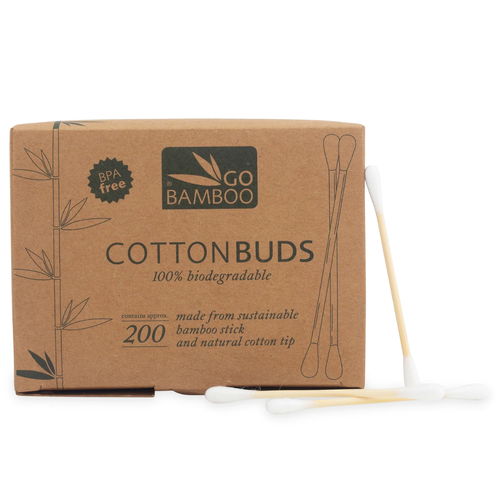
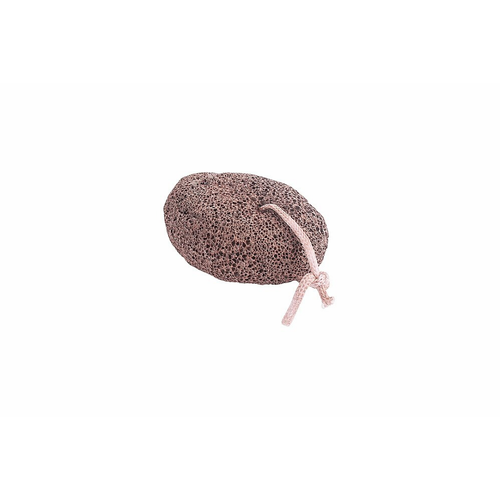
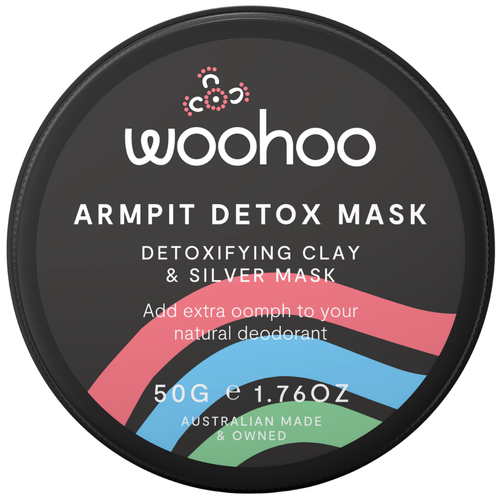
For personal care, consider plastic-free alternatives such as:
These swaps not only reduce plastic but also benefit your health and skin by minimizing exposure to microplastics and harsh chemicals.
For food storage at home and in the fridge, opt for reusable containers such as:
Bringing your own containers for takeaway or shopping is another effective way to reduce single-use plastic.
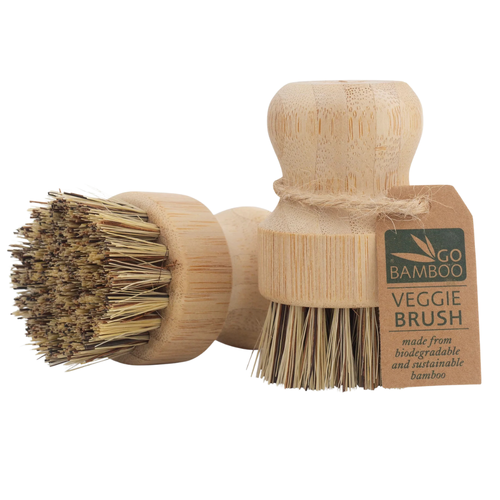
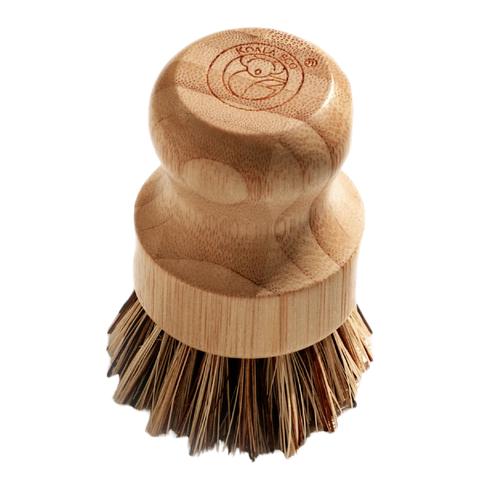
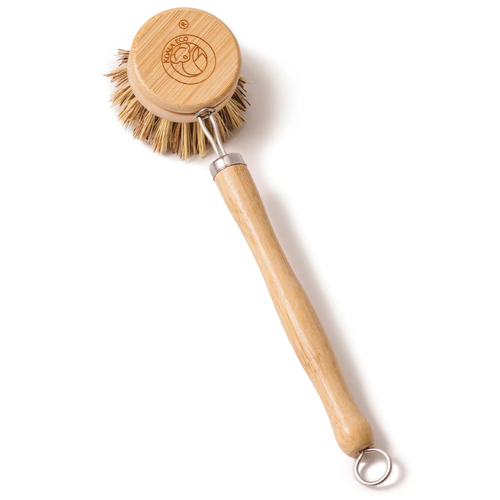
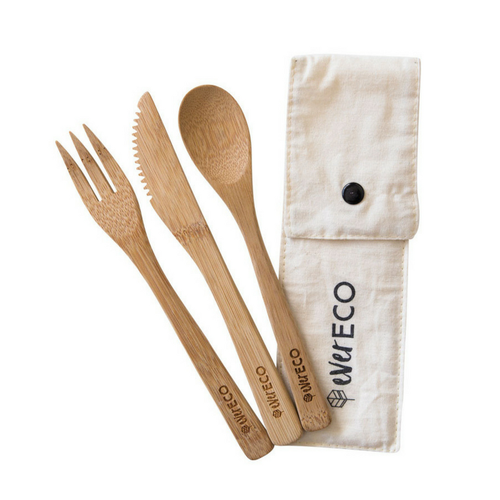
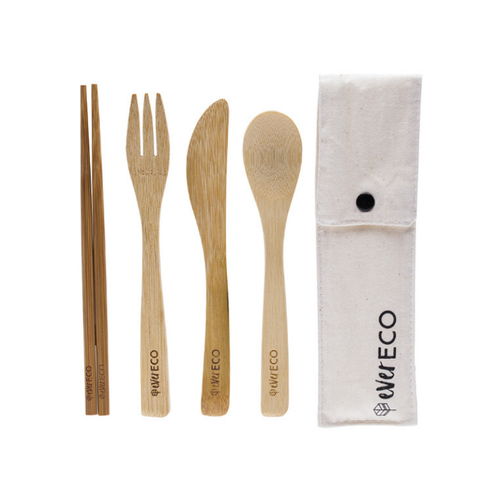
In the kitchen, switching to:
can help you avoid single-use plastic utensils and tableware.
When it comes to the end of the day, we use a lot of plastic: from plastic toothbrushes to plastic-packaged toothpaste. One of the easier swaps to make for dental hygiene is a plastic-free toothpaste like the ohGiGi tooth powders.
Transitioning to a plastic-free lifestyle is most effective when approached gradually. Here’s how to get started:
Definition of the 5 Rs:
Shopping at local farmers' markets or independent grocers often yields produce sold without heavy plastic packaging.
The most effective strategy for transitioning to a plastic-free lifestyle is to start small, focusing on high-impact, easy swaps before moving to more complex changes.
To reduce plastic waste, consumers can buy in bulk and refill their own containers for products like cleaning supplies and personal care items.
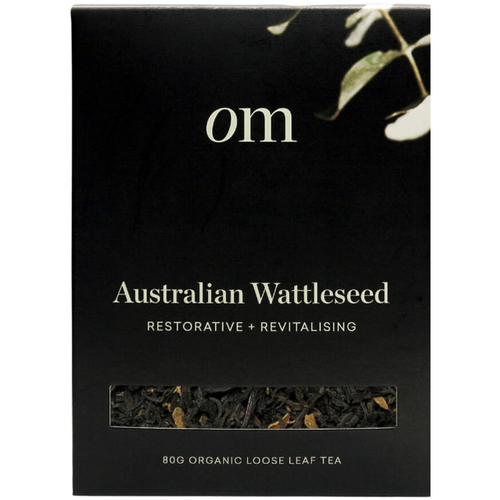
Consider tea companies like Ministry of Tea, who produce plastic free tea bags. You can purchase Ministry of Tea right here at Sassy Organics.
Reusable glass containers and mason jars are a great alternative to plastic containers for food storage. They are durable, lightweight, and can be used forever.
Yes, many brands offer cruelty free personal care products, including shampoo conditioner bars and essential oils, that are created without animal testing.
Switch to plastic free cleaning products that come in small batches or refillable packaging. This helps reduce plastic waste and supports sustainable business practices.
For sensitive noses, opt for unscented or naturally scented products using essential oils, which are gentle and less likely to cause irritation.
Use bamboo or reusable glass containers to carry everyday products. These options are lightweight and environmentally friendly.
Yes, new products like powder detergents, shampoo conditioner bars, and refillable containers have been created as a plastic free solution for everyday use.
Buying in small batches reduces waste and overconsumption, supporting sustainable brands and business practices that prioritise eco-friendly packaging.
Bamboo straws are a great alternative to plastic straws. They are reusable, lightweight, and biodegradable.
You can fill reusable containers with products from bulk stores, which often offer plastic free options and encourage less packaging waste.
Reusable glass bottles reduce plastic pollution and fossil fuel use, helping to protect the world's ecosystems and reduce greenhouse gas emissions.

Simple instalment plans available instantly at checkout
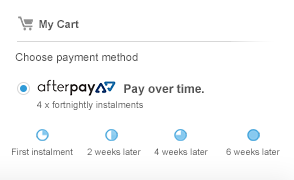

Use your existing debit or credit card

No long forms, instant approval online

Pay fortnightly, enjoy your purchase straight away!
All your need is:
1) An Australian Visa or Mastercard debit/credit card; 2) To be over 18 years of age; 3) To live in Australia
To see Afterpay's complete terms, visit https://www.afterpay.com.au/terms
© 2026 Afterpay