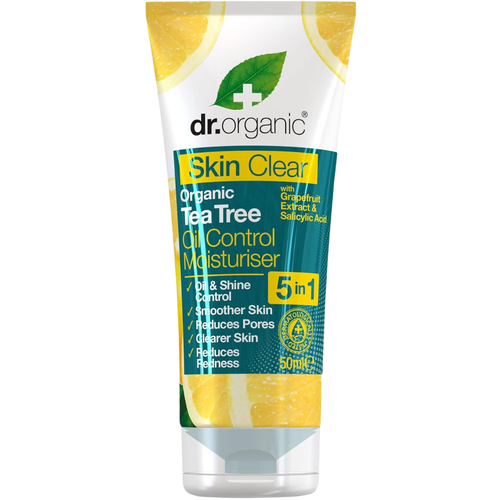
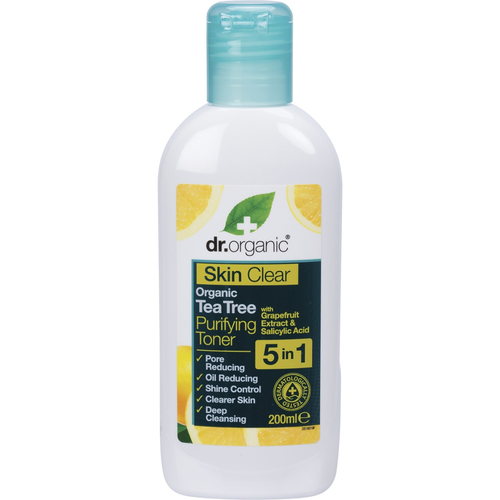
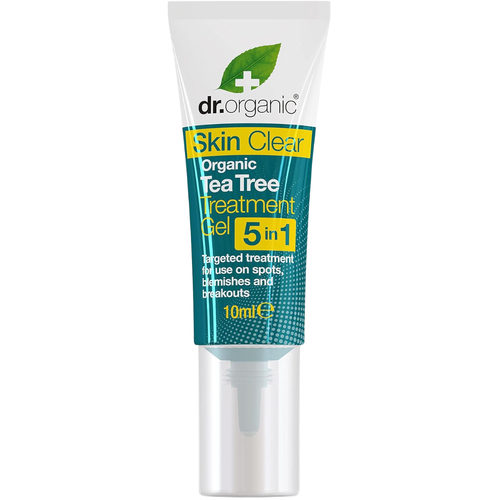
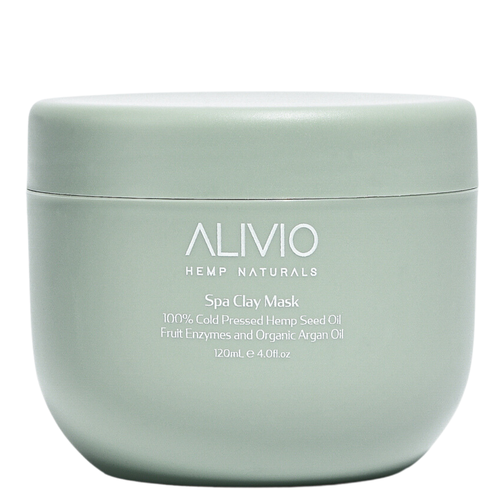
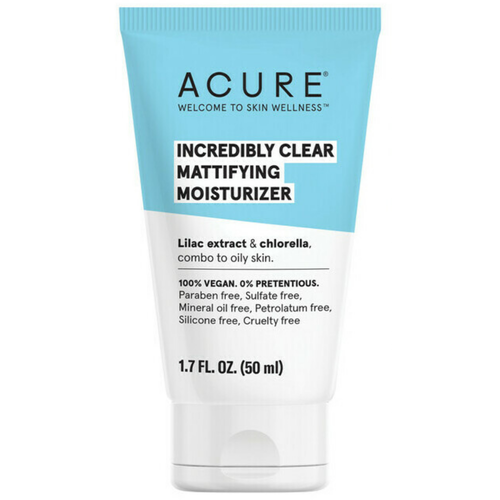
Shop natural teenage acne skin products for a simple routine that gently cleanses, provides lightweight hydration and cares for blemish-prone skin.
$12.95
A simple natural teenage skin care routine can cleanse, hydrate and care for individual blemishes without harsh scrubbing or repeatedly stripping the skin. Natural does not automatically mean gentle, so choose products for your skin type and introduce them one at a time.
Acne is not caused by poor hygiene. Washing too often, scrubbing vigorously or trying several new products at once can irritate the skin and make the routine harder to maintain. Start with a gentle cleanser, a suitable moisturiser and daily sun protection, then add targeted care only where it is needed.
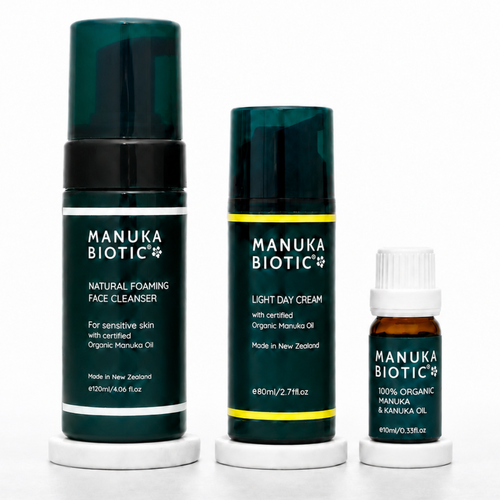
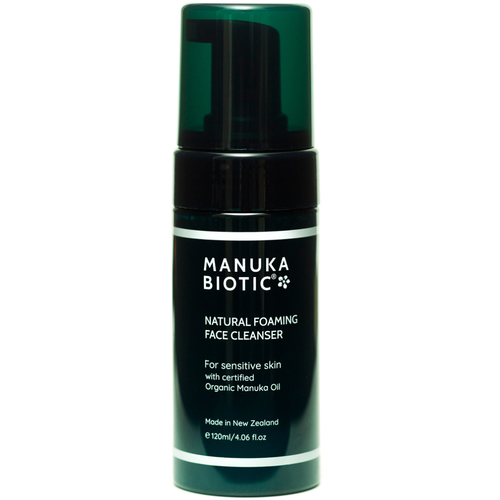
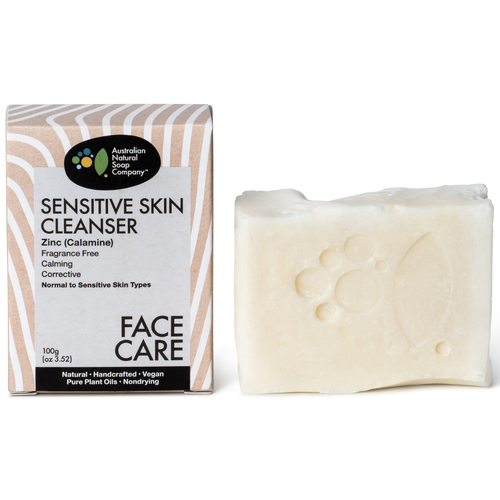
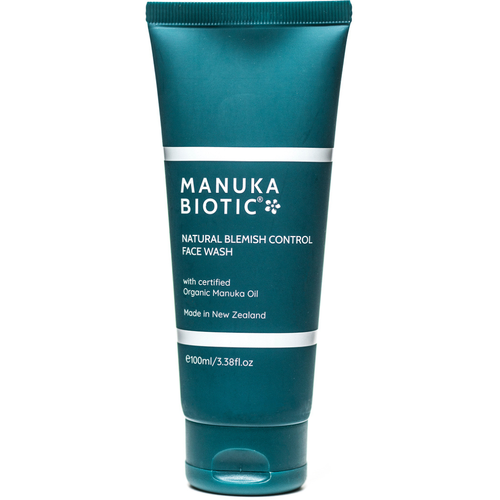
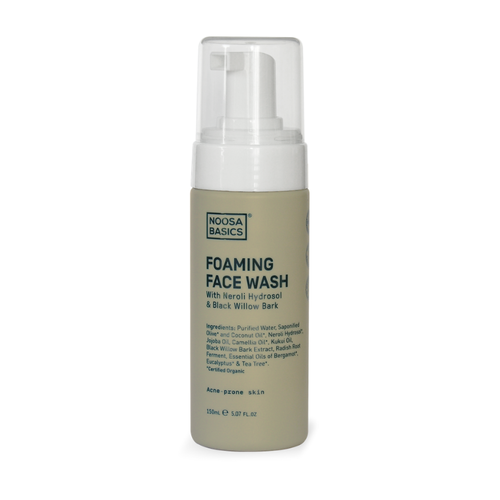
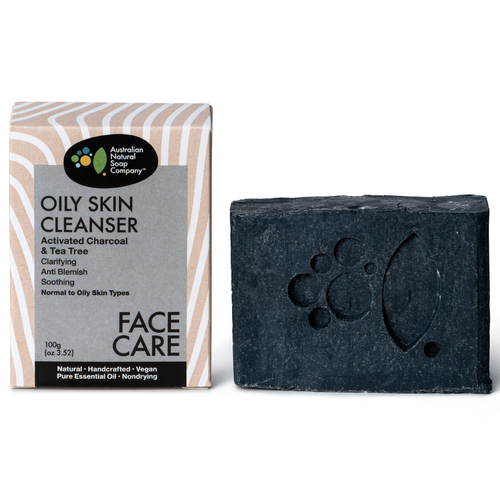
Cleanse in the morning and evening using lukewarm water and your fingertips. Manuka Biotic Natural Foaming Face Cleanser is a gentle starting point for sensitive or blemish-prone skin. If the skin is distinctly oily, the Charcoal & Tea Tree Facial Cleanser provides a deeper-cleansing bar. For skin that feels dry or is easily irritated, the Zinc & Calamine Facial Cleanser is a fragrance-free alternative.
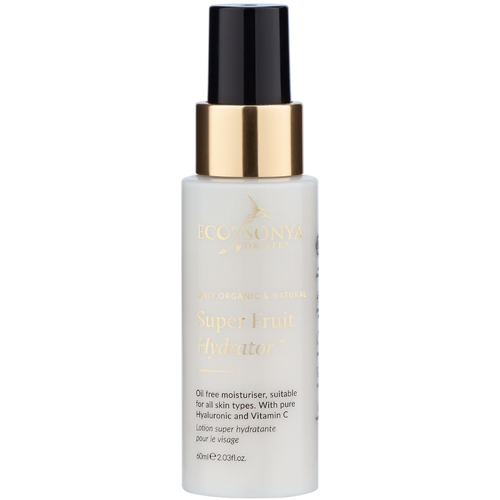
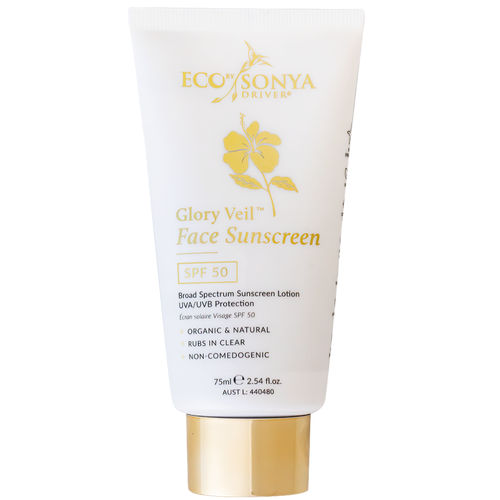
Follow cleansing with moisturiser, even when the skin is oily. Lightweight hydration supports the skin barrier and helps prevent the tight, uncomfortable feeling that often leads to more aggressive cleansing. Eco by Sonya Super Fruit Hydrator is an oil-free, non-comedogenic option for hydration without a heavy finish. During the day, finish with a broad-spectrum sunscreen suited to acne-prone skin.
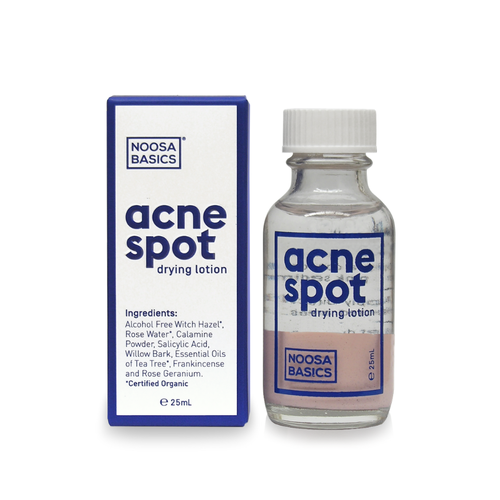
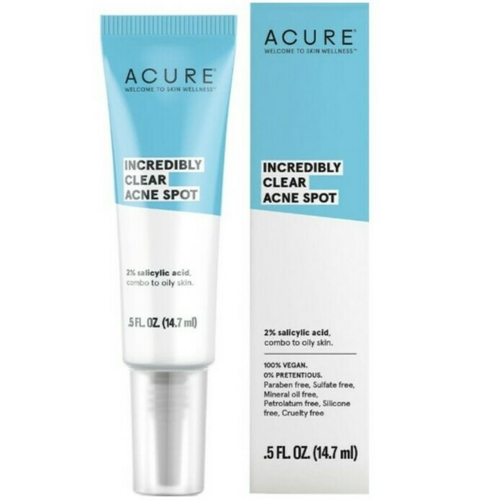
At night, repeat the cleanser and moisturiser steps. If an individual blemish needs targeted care, apply Noosa Basics Acne Spot Drying Lotion only where needed and follow its directions. A spot product does not replace cleansing and moisturising the whole face.
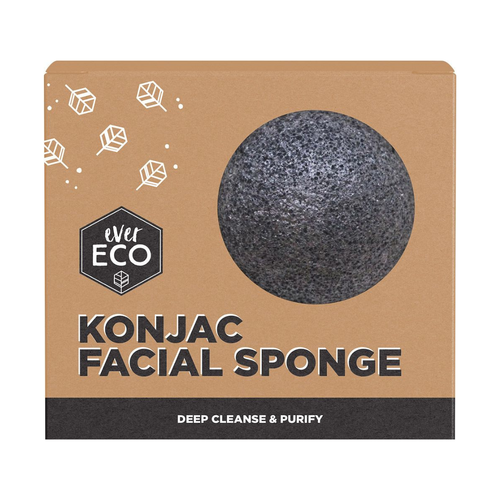
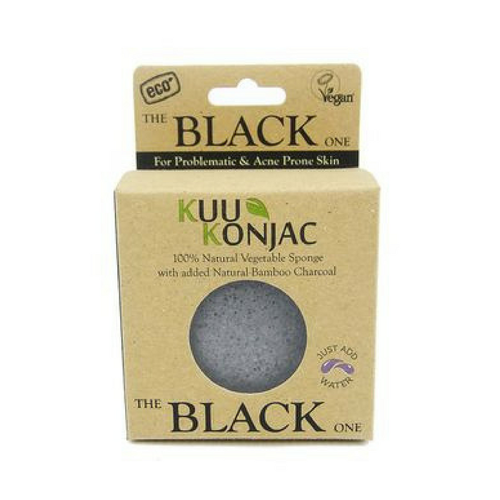
Acne-prone skin does not need to be scrubbed clean. If you enjoy using a facial sponge, soak a konjac sponge until it is completely soft and glide it gently over the skin without pressure. The Ever Eco Charcoal Konjac Facial Sponge can be added to cleansing, but it is optional and should not leave the skin red, sore or tight.
Introduce new products one at a time so you can see how your skin responds. Stop using a product that causes persistent burning, swelling, a rash or worsening irritation.
Wash the face gently twice a day, in the morning and before bed, and after heavy sweating. Washing repeatedly throughout the day will not clear acne faster and may irritate the skin. Use lukewarm water, avoid scrubbing and pat the skin dry with a clean towel.
Yes. Oily skin still needs hydration. Choose a lightweight, non-comedogenic moisturiser rather than trying to dry the skin completely. Eco by Sonya Super Fruit Hydrator provides hydration without a heavy, oily finish.
No. Choose products according to the skin rather than gender. Oiliness, dryness, sensitivity, the type of blemishes and how the skin responds to products are more useful guides. Start with the same simple cleanser, moisturiser and sunscreen structure, then adjust individual products as the skin's needs change.
Not always. A natural skin care routine can support gentle cleansing, hydration and care for individual blemishes, but cosmetic products do not treat every type of acne. Speak with a pharmacist or GP if breakouts are persistent, worsening, deep, painful or beginning to scar.
Yes, if it is fully softened, used without pressure and the skin remains comfortable. A konjac sponge is an optional cleansing tool, not something that needs to scrub away blemishes. Reduce the frequency or stop using it if the skin becomes red, tight, sore or flaky.
Speak with a GP if the acne is severe, deep, painful, beginning to scar, causing significant distress or not improving with treatment recommended by a pharmacist. Medical acne treatment can address concerns that cosmetic skin care cannot, and early help may reduce lasting scars.

Simple instalment plans available instantly at checkout
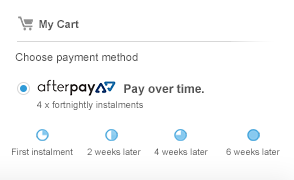

Use your existing debit or credit card

No long forms, instant approval online

Pay fortnightly, enjoy your purchase straight away!
All your need is:
1) An Australian Visa or Mastercard debit/credit card; 2) To be over 18 years of age; 3) To live in Australia
To see Afterpay's complete terms, visit https://www.afterpay.com.au/terms
© 2026 Afterpay