Biodegradable materials offer real benefits, such as reducing landfill waste, supporting sustainability through renewable resources, and promoting a circular economy. Understanding the difference between marketing hype and real sustainability can completely change the way you shop for beauty, health and home products.
The word “biodegradable” seems to be slapped onto everything from beauty tubes to shipping mailers, giving the false impression that they’re actually good for the planet. But does this green-sounding label actually mean what you think? Understanding why biodegradable matters for sustainability and consumer choices is crucial, as it can influence both environmental outcomes and your impact as a shopper.
Biodegradable means a material can break down naturally by microbes, but timing and conditions vary greatly
Not all biodegradable products are compostable; compostable items meet stricter standards and break down safely in specific settings
Biodegradable plastics may not break down in landfills and can produce methane, a potent greenhouse gas
Look for certifications like AS 4736 and AS 5810 to identify truly biodegradable or compostable products
Beware of greenwashing—clear disposal instructions and verified certifications are essential
Prioritise reducing, reusing, and recycling before relying on biodegradable products for sustainability
.png)
Not everything labelled as biodegradable is truly environmentally friendly - what is considered biodegradable depends on specific conditions and standards, and the label alone can be misleading without proper certification or understanding of how the material will break down.
Biodegradable means materials that can be broken down by microorganisms such as bacteria and fungi, leaving behind water, carbon dioxide, and minerals. These microorganisms play a crucial role in the natural decomposition process. Biodegradable materials can be broken down by microorganisms into carbon dioxide, water, and minerals, typically within a few months to years depending on environmental conditions.
Here’s what you need to keep in mind from the start:
Biodegradable basically means microbes can eat away at it, but not always quickly and often leaving behind nasty pollutants or toxic residue
The term 'biodegradable' is often misused and can lead to greenwashing, as it does not require products to break down within a specific timeframe - many harmful materials can still be labelled as biodegradable without accountability
A “biodegradable” stamp on a product is definitely not a guarantee of sustainability, safety for wildlife, oceans or doing any real good for the climate
In Australia for example, there’s no one rulebook that says how long this process even takes, which just opens the door to companies claiming all sorts of dodgy things
Remember, the term is describing a process - not a promise
In practice, biodegradability is all about the action of micro-organisms breaking down complex polymer structures into water, carbon dioxide and biomass. And believe it or not, even regular old plastic can eventually get some microbial action going after 400-500 years in a marine environment...you know, just like a thing to think about.
Some key factors that influence how fast biodegradable materials actually break down include:
Temperature: Gets optimal around 50-60°C for many bioplastics
Oxygen levels: Gets broken down faster in oxygen-rich environments, and produces methane in low-oxygen situations
Moisture: Needs about 50-60% for microbes to do their thing
UV light exposure: Gets photodegradation going in some biodegradable materials
Microbial presence: Wait for specific bacteria and fungi to turn up
Consider this: orange peels break down in a couple of weeks in a compost heap with decent aeration and moisture, but can sit around for decades if they're in a dry, compacted landfill.
Common biodegradable items that beauty, health and home fans care about include cardboard packaging, paper tissues, bamboo, cotton and hemp fabrics, as well as plant-based materials like PLA used in cosmetic tubes. For EU standards, a biodegradable material has to show 90% mineralization within six months under specific test conditions...problem is, those conditions rarely actually reflect real-world disposal scenarios
.png)
You see these three terms splashed everywhere on beauty, skincare and home products - but do you actually know what they mean?
Biodegradable: Can be broken down by microbes over time, but might leave behind microplastics or nasty chemicals. No guarantee without certification. Products labelled as biodegradable should meet certain criteria set by recognised standards and certifications, such as the Biodegradable Products Institute (BPI) certification, which ensures the product can break down in a composting environment.
Compostable: Gets broken down under specific composting conditions within a definite timeframe into non-harmful stuff, verified via tests ensuring not a single plant gets damaged. Compostable materials and products have to meet certain criteria and standards like Australian Standard AS4736 (at home) or AS5810 (industrial) to be certified as compostable.
Eco-friendly: A broader idea covering minimising environmental impact across the whole lifecycle - sourcing, ingredients, packaging, transport, and disposal.
All certified compostable items are also biodegradable, but the reverse isn’t always true. Many biodegradable products fail compostability testing.
Oxo degradable plastics deserve a special mention. These are conventional plastics with additives that cause them to break down into microplastics instead of actually decomposing. Australia is moving to phase out oxo degradable plastics from food packaging and other everyday items by the mid-2020s due to their contribution to ocean pollution. More details can be found in resources like the HealthShare Victoria biodegradable and compostable plastics guide.
A certified home-compostable mailer meeting Australian standards will fully break down in 12 weeks at ambient temperatures, while a generic “biodegradable” courier satchel often breaks down into particles that harm marine life.
.png)
Biodegradable can be better than conventional plastic products in some situations, but it’s not automatically good for the environment.
Here’s what happens in Australian landfill conditions:
More than 90% of municipal waste ends up in landfill sites with low oxygen and low moisture
Biodegradable plastics that are suitable for composting often sit for decades without breaking down, as many biodegradable plastics are not truly environmentally friendly and may only break down under specific conditions, such as in industrial composting facilities, which are not accessible to most consumers
Not all biodegradable plastics are suitable for all waste management systems, and proper certification is important to ensure they break down as intended
When they do degrade, they produce methane - a potent greenhouse gas
Some landfill sites can capture methane and convert it into usable energy, but this process is challenging due to varying decomposition rates
Biodegradable plastics can produce more methane per kilogram than paper or food waste under similar conditions
In oceans and waterways, many biodegradable plastic bags and films behave just the same as regular plastic waste, persisting for years and breaking down into microplastics.
Biodegradable plastics can break down into smaller pieces by the action of microorganisms, but this process can take a long time and may not occur in landfill conditions, where they can remain intact for years. Studies have found PLA microplastics in 70% of Australian beach samples, as detailed in this study.
Biodegradable products reduce long-term environmental damage by minimising waste accumulation in landfills and oceans. From a climate perspective, the best options are to tackle waste, and the best way to do that is through the waste hierarchy:
Refuse all unnecessary single-use plastic items - and that’s a lot more than you might be thinking of
Reuse durable packaging and containers, like those reusable coffee cups that are still going strong after a year or two
Recycle where there are genuine recycling streams to make use of - this cuts down on the reliance on fossil fuels for brand new production
Compost certified compostable plastics only through known streams like your council FOGO bins - the ones that are easy to drop off at your kerb
Data shows reducing consumption is 2-3 times more effective in cutting emissions than just switching to biodegradable items - even then it's a bit of a mixed bag.
.png)
Biodegradable plastics have really taken off in beauty products, with jars, makeup packaging, supplement bottles, cleaning product wraps and shipping materials all now often made from biodegradable materials, spurred on by Australia’s National Packaging Targets for the year 2025, which is why understanding Sassy Organics Clean Standard for vegan, cruelty-free and low-tox products can be so useful.
You’ll come across a few different types:
PLA (polylactic acid): This is derived from plant-based or renewable resources like corn or sugarcane starch - you’ll see it in cosmetic jars and films. The good news is that it can decompose 60-90% in 6 months in a controlled environment, although that's much slower in soil, barely 20%. However, the cultivation of crops needed to produce bioplastics like PLA requires significant land and water.
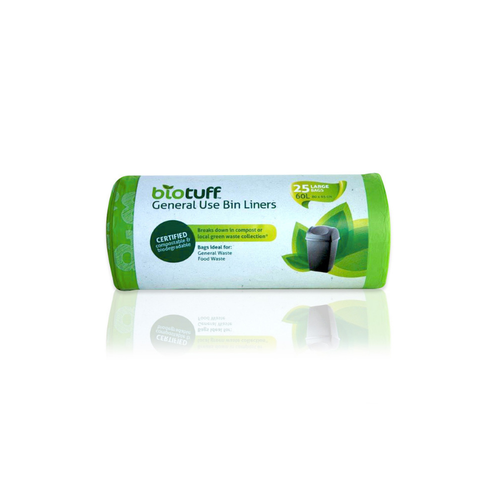
Starch-based bioplastics: Also derived from renewable plant sources, you’ll find these in “compostable” mailers and bin liners. These can decompose up to 70% in compost but actually break down into smaller pieces in landfill.
Mixed-material plastics: These blend 20-30% plant materials with PET/PE polymers, and take a whole lot longer to decompose than they claim.
Just getting something derived from plants doesn’t mean it's better for the planet - “biodegradable” cosmetics tubes can require industrial composting facilities to decompose, and only 3% of Australian facilities accept them in reality. Then there's the issue that 95% end up in landfill where they persist.hen there's the issue that 95% end up in landfill where they persist.
It’s important to note that traditional plastic is derived from fossil fuels and degrades extremely slowly, often persisting in the environment for hundreds of years, unlike bioplastics designed to decompose more quickly under the right conditions.
A far better option than plastic-heavy packaging would be to choose plastic free products and low-waste alternatives:
Glass jars and bottles (infinitely recyclable)
Aluminium tins (95% recycled content possible)
FSC-certified cardboard and paper
Metal lids and plastic-free shipping materials
These can reduce embodied carbon by 30-50% compared to bioplastics.
.png)
Greenwashing is when companies make unsubstantiated environmental claims to mislead consumers - a 2023 ACCC report even found that 60% of “sustainable” beauty products were making false claims.
Warning signs to look out for on labels and product pages include:
Vague terms like “eco” or “earth friendly” with no timeframe or certification
Claims of “oxo-biodegradable” or “fregmantable” without warning about the microplastic risks
Green packaging and nature imagery that implies sustainability without actually delivering
No disposal instructions or material specifications
Given the ACCC has turned up the heat since 2022, with fines of up to $50M for making false claims, companies should be making sure they’re actually telling the truth.
What you should look for instead is:
Certified labels: AS 4736 (home composting), AS 5810 (industrial) - the real thing is actually certified
Clear disposal instructions: “home compost only”, “FOGO bin”, “recycle cardboard”
Material breakdowns on company websites - not just a pretty picture
It’s important to properly dispose of biodegradable and compostable products according to the instructions - such as using a home compost, FOGO bin, or commercial composting facility - to ensure they break down as intended and do not harm the environment.
Biodegradable items typically decompose in weeks to months, while non-biodegradable materials persist for decades or centuries.
It really makes a difference when an eco-wipe in a plastic pouch persists for years, versus certified home-compostable bamboo cloth in recyclable cardboard that breaks down in a couple of months and can be disposed of properly.
.png)
Sassy Organics is a Australian online shopping experience committed to vegan, cruelty-free, organic, and low-waste products - we don’t just go around making up marketing spin, we actually put in the work to get verified sustainability.
Our packaging practices are all about:
Using recyclable cardboard boxes, and packing things like paper-based void fill and craft paper tape
Favouring glass, aluminium, and cardboard over plastic - it makes sense when you think about it
Making sure our compostable materials meet recognised standards - we actually check
Choosing products that will help us build a circular economy, as these choices contribute to environmental sustainability and waste reduction - not just the ones that sound good
Some product examples that show we mean business:
Solid shampoo and conditioner bars in cardboard rather than liquid products in a mixed-plastic bottle
Biodegradable and compostable bin liners that comply with Australian Standards AS4736 BPI and AS5810 home compost
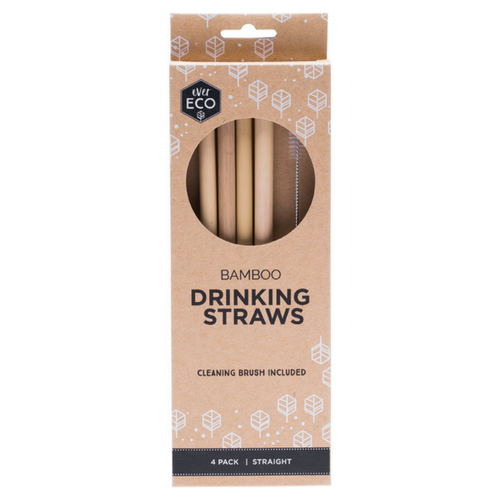
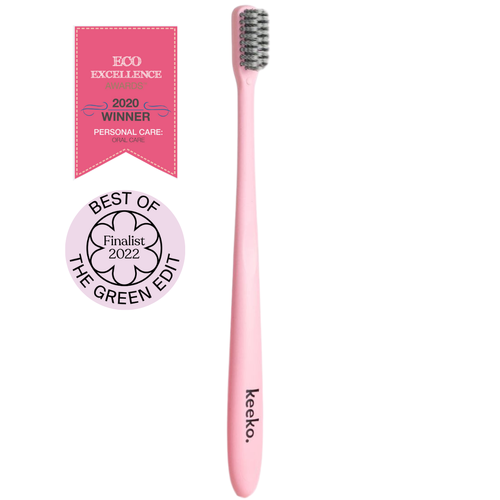
Bamboo toothbrushes, stainless steel safety razors, and reusable low waste facial pads and accessories as durable alternatives to disposable items
Biodegradable products only when they are properly certified and aligned with broader zero waste initiatives in Australia
We encourage our customers to recycle glass bottles through kerbside programs or participate in proper recycling schemes. If you want to cut plastic out of your life then explore our Low Waste, Plastic-Free and eco-friendly gift categories to find some real game-changers.
.png)
Lets face it, disposal rules can be a bit confusing - but the good news is that with a couple of simple habits you can really make a difference in keeping food scraps and packaging out of the landfill
Check your local council options:
Find out if your local council does FOGO (food and garden organics), its a good start
Make sure they take certified compostable liners and food-soiled paper on board
Practical home tips:
Set up a small kitchen caddy for food waste and certified compostable items - the more you can keep out of landfill the better, especially when you pair it with reusable produce bags and other storage swaps. Whats good to chuck in the home compost vs the council green bin - do i need to keep a list of whats allowed?
Sorting the chaff from the wheat: decision guidance
Home compost bin? good, you've got a system up and running, chuck in what you can certify as home compostable stuff in there, and consider packaging that can go through specialist recycling programs like TerraCycle
Industrial compostable mark? If your council accepts it (though chances are they probably don't) then chuck it in the council FOGO bin. Otherwise, general waste it is (sorry)
Anything 'biodegradable' without any actual certification? General waste, just to be safe. Don’t want to clog up the recycling streams with dodgy claims
Prioritise reusables where you can, so try using reusable coffee cups and refillable bottles, carry reusable bags and opt for containers you can use over and over to cut down on that single use plastic.
.png)
Biodegradable basically means nothing more than 'it'll eventually break down at some point' - not exactly a solution to our problems
Compostable stuff that has been certified (to Australian or EN standards) is a better bet than 'biodegradable' without any proof
In the grand scheme of things the right thing to do is reduce and reuse first; then recycle and compost last
Watch out for greenwashing - always check for certifications, disposal instructions and what’s actually in the thing you’re buying
Sassy Organics has got your back with their curated range of vegan, cruelty-free, organic and low-waste biodegradable goodies to make this all a bit easier
Biodegradable means a material can be naturally broken down by microorganisms such as bacteria and fungi into water, carbon dioxide, and minerals over time. However, the rate and completeness of this process depend on environmental factors like temperature, moisture, and oxygen levels.
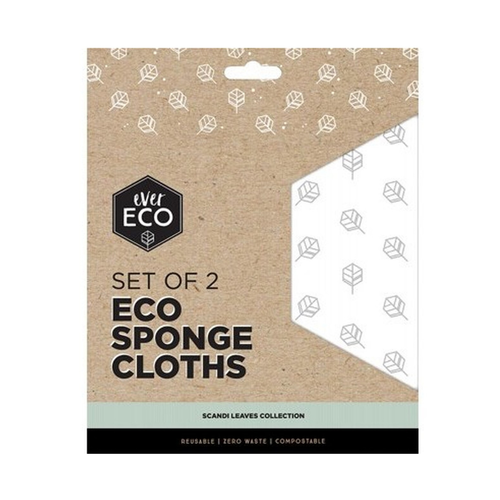
Ever Eco offers biodegradable kitchen sponges that are eco-friendly and effective for your cleaning needs. You can find their range of biodegradable kitchen sponges at Sassy Organics.
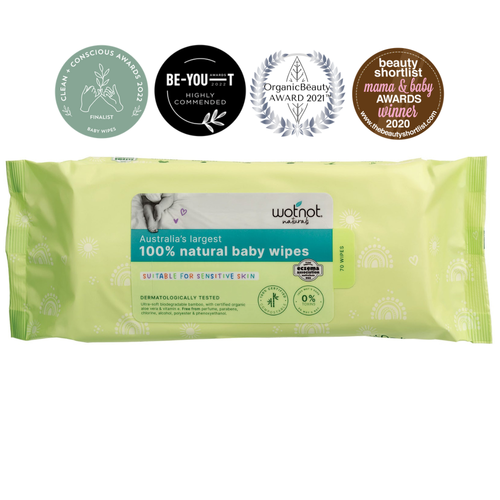
For biodegradable baby wipes that are gentle and safe for sensitive skin, we recommend checking out the Wotnot range from Sassy Organics. Their selection includes eco-friendly, biodegradable baby wipes made with natural ingredients designed to be kind to delicate skin while reducing environmental impact.
Making thoughtful choices on the products you buy and their packaging can do a lot to help your own wellbeing, and that of the planet. And who knows, all those little choices might just add up to something pretty big - and that’s definitely worth celebrating.

Simple instalment plans available instantly at checkout
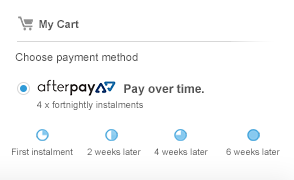

Use your existing debit or credit card

No long forms, instant approval online

Pay fortnightly, enjoy your purchase straight away!
All your need is:
1) An Australian Visa or Mastercard debit/credit card; 2) To be over 18 years of age; 3) To live in Australia
To see Afterpay's complete terms, visit https://www.afterpay.com.au/terms
© 2026 Afterpay