Luk Beautifood · Sheer and luminous
Instant Glow Skin Tint
A breathable tint for barely-there coverage and a fresh-looking glow.
See all shades
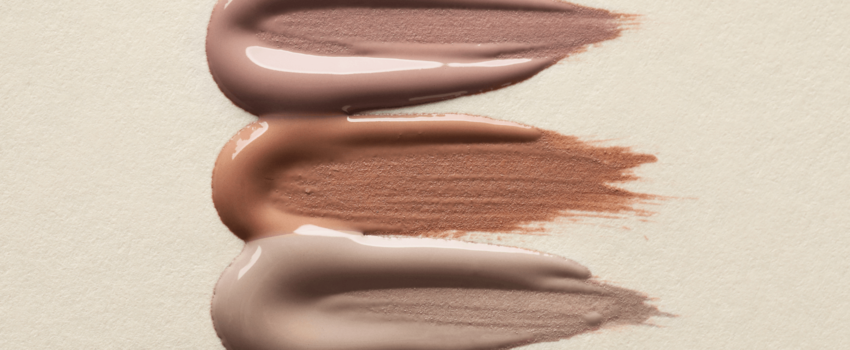
These are three different ways to create a lighter-looking base. Use them as texture and finish examples rather than a ranking.
Luk Beautifood · Sheer and luminous
A breathable tint for barely-there coverage and a fresh-looking glow.
See all shades
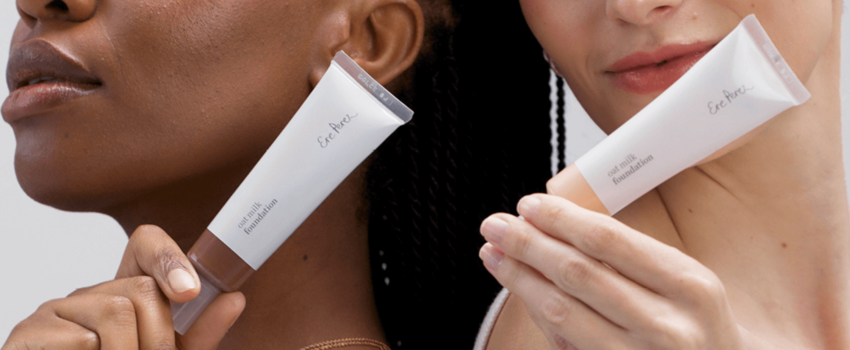
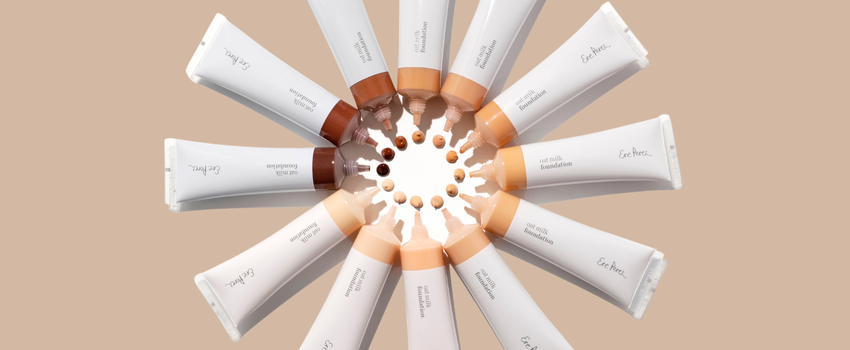
Ere Perez · Fluid and buildable
A fluid option for a smoother base with coverage you can add only where wanted.
See all shades
La Mav · Mineral and brush-applied
A soft mineral base that is easy to buff on and build in very fine layers.
See all shadesUse these four checkpoints to judge how a foundation looks and feels, whether you are choosing something new or adjusting a product you already own.
Choose a texture and preparation routine that feel comfortable throughout the day.
Allow each step of your usual skin care to settle before applying makeup. Too many incompatible layers can make even a well-suited foundation harder to blend evenly.
Begin at the centre of the face or wherever you want the most evening.
Use your preferred tool and soften the edge rather than covering the entire face equally.
Let the first layer settle, then look at the finish in natural light.
Use a second fine layer in selected areas instead of making the whole base heavier.
“At 46, I prefer a lighter application that still looks like my skin. I start with very little foundation and only build it where I want more coverage.”
Aida Rejzovic, Founder of Sassy Organics
| Common mistake | Consider instead |
|---|---|
| Applying the same amount everywhere | Adjust the coverage to each area and add more only where it is wanted. |
| Adding more before the first layer settles | Pause, check the finish in natural light, then build only if needed. |
| Choosing only by the shade name | Use current, brand-specific shade guidance because names vary between ranges. |
Not automatically. Texture, preparation, application and your preferred finish matter more than a blanket rule.
Start with less, blend well and build only in selected areas.
No single finish suits everyone. Choose the result that feels comfortable and looks right to you.
Not necessarily. Begin where you want the most evening, blend outward and leave areas uncovered when they do not need more product.
Check the jawline and transition into the neck in natural light, then allow the formula to settle before deciding.
Foundation does not need to hide every detail to create a more even base. Choose a comfortable formula, begin with a light application and let your own preference guide the final level of coverage.

Simple instalment plans available instantly at checkout
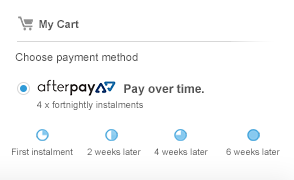

Use your existing debit or credit card

No long forms, instant approval online

Pay fortnightly, enjoy your purchase straight away!
All your need is:
1) An Australian Visa or Mastercard debit/credit card; 2) To be over 18 years of age; 3) To live in Australia
To see Afterpay's complete terms, visit https://www.afterpay.com.au/terms
© 2026 Afterpay