Are you interested in natural remedies and curious about the potential health benefits of essiac tea? This article is for individuals seeking information on essiac tea benefits, including those who are health-conscious and looking for dietary supplements to support their immune system and overall well-being. We will cover the history, ingredients, scientific research, preparation, and user experiences related to essiac tea, providing a comprehensive overview for anyone considering this herbal remedy.
Essiac tea is a popular herbal supplement often used as alternative or complementary cancer therapies, but their clinical benefits are not scientifically proven.
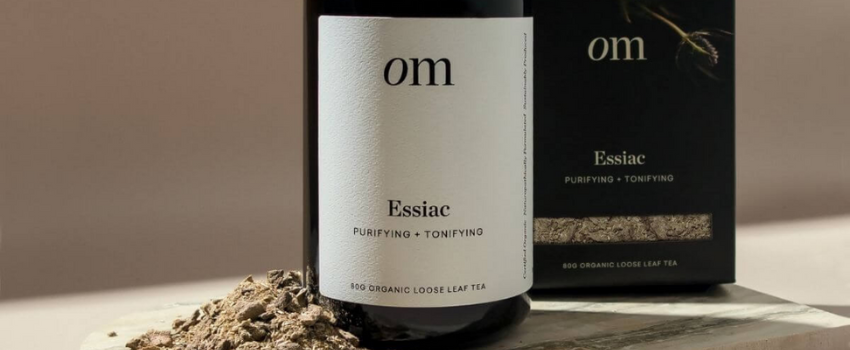
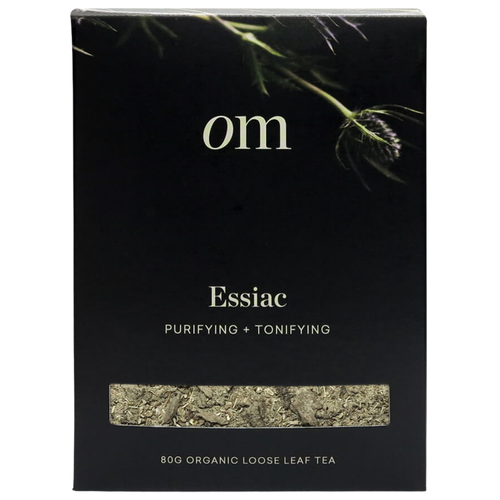
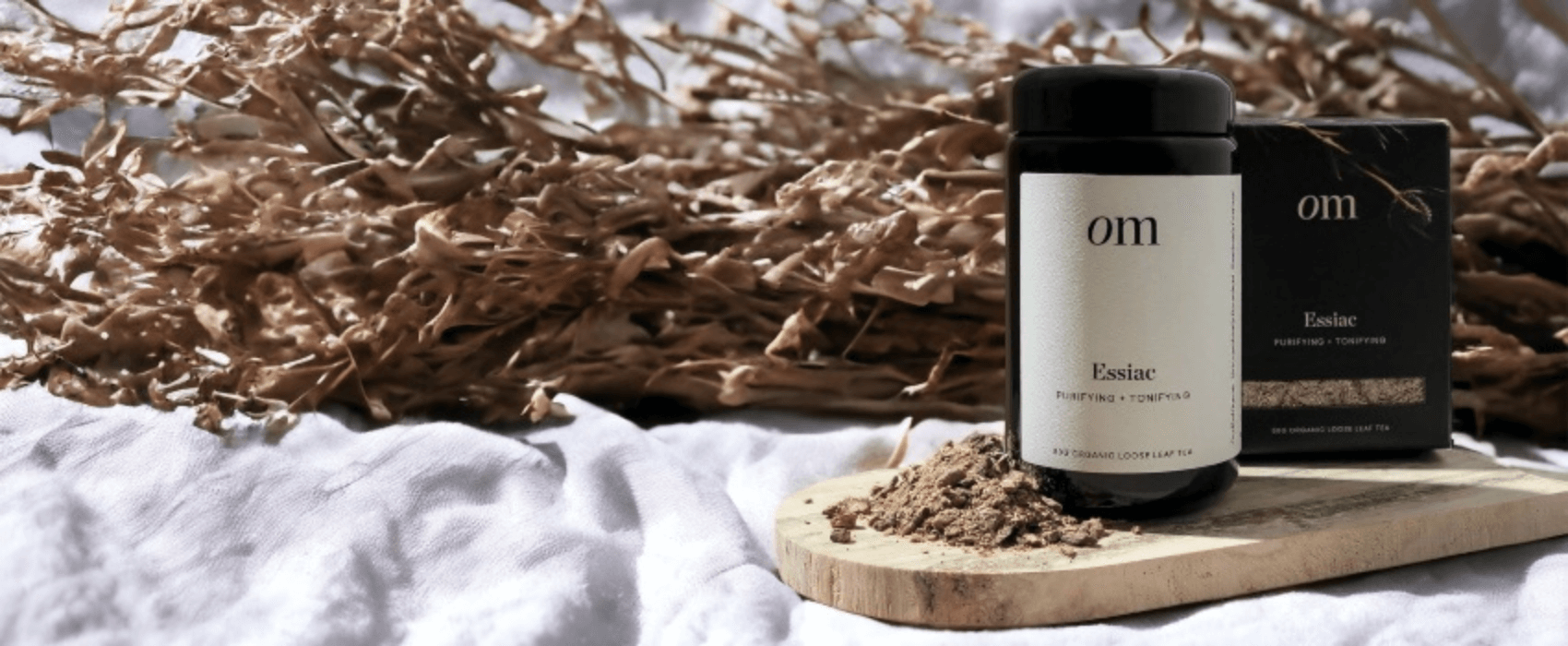
Essiac tea is a mixture of four herbs: burdock root, sheep sorrel, slippery elm, and Indian rhubarb root. Originally derived from a traditional Ojibwa herbal remedy, essiac tea in Australia is widely used as a dietary supplement for health and immune system support, and is often used by health-conscious consumers seeking natural remedies.
It is important to consult with a health care provider before starting any new herbal supplement, especially for those considering essiac tea.
.png)
Below is a summary of the scientifically supported and unsupported benefits of essiac tea, so you can make an informed decision:
| Claimed Benefit | Supported by Scientific Evidence? | Notes/References |
|---|---|---|
| Detoxification and immune system support |
Some support |
Widely used for these purposes; antioxidant activity reported |
| Combats reactive oxygen species (ROS) |
Some support |
Laboratory studies show antioxidant and DNA-protective activity |
| Cancer treatment or cure | Not supported | No evidence from major cancer research institutions; not FDA approved |
| May increase proliferation of certain cancer cells at low concentrations | Supported (negative effect) | Some studies show increased proliferation in certain cancer cells at low concentrations |
| Immune-boosting and anti-inflammatory effects | Largely unsupported | Promoted for these effects, but scientific evidence is lacking |
Essiac tea is a renowned herbal remedy that has gained attention as a homeopathic cancer treatment and a natural health tonic. It is a mixture of four herbs: burdock root, sheep sorrel, slippery elm, and Indian rhubarb root. Originally developed by the Ojibwa tribe of Canada, this unique blend combines these herbs - each selected for their reported antioxidant and anti-cancer activity. Over the years, essiac tea has been marketed as a dietary supplement and is available in various forms, including powders, liquid extracts, capsules, and dried herbal blends.
Essiac is are among the most well-known herbal supplements used as alternative or complementary therapies, but it lacks scientific validation and regulatory approval. Essiac tea is sometimes used as part of integrative medicine approaches, which combines conventional and alternative therapies to enhance patient care. The use of complementary and alternative medicine (CAM) is popular among cancer patients, with approximately 87% reporting some CAM use.
Essiac tea is widely used as a dietary supplement for health and immune system support, and is often used by health-conscious consumers seeking natural remedies. The National Cancer Institute has taken interest in essiac tea, conducting laboratory studies to explore its potential as a cancer treatment. While some laboratory research has demonstrated anti-cancer activity, particularly in vitro, scientific evidence supporting its effectiveness in humans remains limited. Despite this, essiac tea continues to be popular among those seeking alternative and complementary therapies, thanks to its reputation for possessing antioxidant properties and supporting overall wellness. As with any herbal remedy, it’s important to consider the current scientific evidence and consult with a healthcare professional before use.
.png)
Essiac tea has a rich history that dates back to the early 1920s. The tea reportedly developed by Rene Caisse in the 1920s after learning an Ojibwa Native American herbal recipe. Its origins can be traced to an Ojibwa healer named Rene Caisse, who learned about the herbal remedy from a patient’s family member. Traditionally regarded as a gentle detoxifier and often referred to as a 'tea of life', essiac has been used as a natural remedy for generations. Impressed by its potential healing properties, Caisse dedicated her life to researching and promoting essiac tea.
Essiac is a herbal remedy from Canada created by Canadian nurse Rene Caisse. The name “essiac” is derived from Caisse’s last name spelled backward. She believed that essiac tea could strengthen the immune system, detoxify the body, and promote overall well-being. Rene Caisse worked tirelessly to promote essiac as a natural remedy and alternative cancer treatment, and essiac was first promoted as a cancer treatment in the 1920s after a breast cancer patient claimed it had cured her disease. Despite facing numerous challenges and legal restrictions, Caisse continued to administer essiac tea to her patients, witnessing its remarkable effects firsthand.
In 1934, Rene Caisse opened a cancer clinic in Ontario where she provided essiac to patients free of charge. The Royal Cancer Commission of Canada visited Caisse’s clinic in 1938 but found little evidence that essiac was effective. Caisse continued to provide essiac to patients until the late 1970s, despite closing her clinic in 1942. In 1977, Caisse gave the formula for essiac to a company in Canada, which later sought to conduct clinical studies on its safety and effectiveness.
Essiac is a herbal supplements that has been promoted as alternative therapy for cancer and general health, despite lacking scientific validation and regulatory approval. Essiac is now sold worldwide as a health tonic or herbal dietary supplement, but it is not approved by the FDA as a cancer treatment.
With this historical background in mind, let’s explore the specific components that make up essiac tea and their individual health benefits.
Essiac tea is made from a traditional essiac formula - a unique blend of herbs - each contributing to its remarkable healing properties. These herbs possess antioxidant properties, which help protect cells from oxidative damage and support the tea's potential health benefits.
Burdock root is known for its detoxifying properties and ability to support liver health. It contains antioxidants that help eliminate toxins from the body, promoting overall well-being. Additionally, burdock root contains flavonoid-like antioxidants and polyphenols, which are strong antioxidants.
Sheep sorrel is a potent source of vitamins, minerals, and antioxidants. It has been traditionally used for its anti-inflammatory and diuretic properties, promoting digestive health and detoxification. Sheep sorrel has also demonstrated anti-inflammatory, antioxidant, anti-cancer, and antibacterial properties.
Slippery elm bark is rich in mucilage, a gel-like substance that coats and soothes the digestive tract. It has been used to alleviate symptoms of gastrointestinal conditions, such as acid reflux and irritable bowel syndrome. Slippery elm bark has been shown to have anti-tumor, anti-inflammatory, and antioxidant activities.
Indian rhubarb root is known for its potential to support liver function and improve digestion. It contains compounds that stimulate bile production, aiding in the breakdown and absorption of nutrients. The active ingredient in turkey rhubarb, anthraquinones, has been tested experimentally and found to have anti-inflammatory, anti-septic, anti-spasmodic, and anti-tumor activities.
Each herb in essiac tea works synergistically to provide a wide range of health benefits. From detoxification and improved digestion to immune system support, this unique blend of herbs offers a holistic approach to wellness.
Essiac is available in various forms including powder, liquid extract, capsules, and drops. It is usually sold as a nutritional supplement and is not accepted or licensed as a drug.
.png)
While scientific research on essiac tea is limited, preliminary studies and anecdotal evidence suggest potential health benefits. Most scientific journals are peer reviewed scientific journals, and research supporting essiac has not been published in such reputable sources. One study published in the Journal of Ethnopharmacology found that essiac tea exhibited antioxidant and anti-inflammatory properties in laboratory tests. These properties could contribute to its potential cancer fighting effects. Read the study here.
Another study showed that essiac tea helped inhibit the growth of breast cancer cells and reduced tumour size. Although further research is needed to validate these findings in humans, the results are promising and highlight the potential of essiac tea as a complementary therapy for cancer prevention and support. See related research.
In addition to its potential cancer fighting properties, essiac tea has been reported to improve digestion, reduce inflammation, promote liver health, and boost the immune system. Many individuals have reported positive experiences with essiac tea, citing improvements in energy levels, overall well being, and a sense of vitality.
However, clinical studies and the only clinical trial conducted with essiac involved patients with advanced breast cancer and failed to show any benefits. The National Cancer Institute (NCI) tested essiac several times and found no anti-cancer effects. Scientific evidence from major cancer research institutions has not proven that essiac can treat or cure cancer, and there is no scientific evidence to support its use as a treatment for cancer. Essiac is not approved by the FDA as a cancer treatment. Similarly, Flor Essence is not "flor essence approved" as a drug by regulatory authorities such as the FDA, and is marketed as a dietary supplement or health tonic rather than an officially approved medical treatment. Essiac has been widely used based on testimonial claims of improving the immune system and reducing cancer load, but scientific evidence is lacking.
The PDQ cancer information summary is an authoritative resource that provides up-to-date information about essiac and its use in cancer treatment. View PDQ summary.
With this research in mind, let’s move on to how you can prepare and consume essiac tea safely.
Here are simple Essiac tea instructions. To make a batch of essiac tea, you will need the following ingredients:
The amount of tea consumed depends on you and the condition of your health. Typically, it is recommended a 30 ml dosage of herbal tea diluted in 60 ml of hot water. This should be sipped slowly, preferably before bed or on rising. Food should be avoided at least an hour after drinking the tea. The reason for sipping the tea is that the tongue is the initial point of interaction with the herbs and some of the components start their action here, specifically the bitter actives. Organic Merchant recommends starting with a small dose at first, until you know how your body reacts to it.
Please talk to your health practitioner prior to taking this organic essiac blend, if you:
Now that you know how to prepare essiac tea, let's look at how it is used as alternative medicine for specific health conditions.
.png)
Essiac tea has been used for various health conditions, both as a preventative measure and as a complementary therapy, much like other herbal tinctures and liquid plant extracts. While individual results may vary, many individuals have reported positive experiences with essiac tea for the following conditions:
Cancer Prevention and Support: Essiac tea is often used as a complementary therapy alongside conventional cancer treatments. It is believed to boost the immune system, detoxify the body, and provide antioxidant support, which may aid in cancer prevention and support the overall well-being of cancer patients. Some research has explored the binding affinity of phytoestrogens in essiac for estrogen receptor subtypes (ERα and ERβ), which may influence cell proliferation or antiproliferative effects in hormone-sensitive cancers.
Digestive Health: The combination of herbs in essiac tea can help soothe and support the digestive system. It has been used to alleviate symptoms of acid reflux, irritable bowel syndrome, and other gastrointestinal conditions.
Inflammation: Essiac tea contains potent anti-inflammatory compounds that may help reduce inflammation in the body. Chronic inflammation has been linked to various health conditions, including heart disease, arthritis, and autoimmune disorders.
Liver Health: The liver plays a crucial role in detoxification and overall health. Essiac tea’s liver supporting herbs, such as burdock root and Indian rhubarb root, can aid in liver function and promote optimal liver health.
Immune System Support: The immune boosting properties of essiac tea can help strengthen the body’s defense against infections and diseases. By supporting immune system function, essiac tea may help prevent and manage various illnesses.
It is important to note that essiac tea should not replace conventional medical treatments. Always consult with a healthcare professional before incorporating essiac tea into your health regimen.
Breast cancer remains one of the most prevalent cancers among women worldwide, and many individuals are exploring complementary and alternative medicine options to support their health during and after treatment. Essiac tea has been widely discussed in the context of breast cancer, with some laboratory studies suggesting it may have anti cancer effects on breast cancer cells.
Research into essiac tea’s impact on breast cancer has produced mixed results. Some studies have reported that essiac tea can inhibit cell proliferation and induce apoptosis in breast cancer cells, potentially slowing the growth of tumours. These anti cancer effects are thought to be linked to the tea’s antioxidant and anti inflammatory properties, which may help protect cells from DNA damage and lipid peroxidation - two processes associated with cancer development and progression.
However, not all findings have been positive. A notable 2006 study by the National Cancer Institute found that essiac tea actually stimulated the growth of breast cancer cells in vitro, raising important questions about its safety and efficacy as a complementary therapy. This highlights the complexity of herbal remedies and the need for more rigorous clinical trials to measure essiac effects in real-world settings.
Despite these uncertainties, essiac tea continues to be used by some breast cancer patients as a complementary and alternative medicine approach, often alongside conventional treatments. Its popularity is driven by anecdotal reports and the desire for natural anti cancer agents that may support the immune system and overall well-being.
It’s important for breast cancer survivors and patients to consult with their healthcare team before incorporating essiac tea or any alternative medicine into their regimen. While the effects of essiac on breast cancer are still being studied, staying informed about the latest breast cancer research and relying on evidence-based guidance is essential for making safe and effective health decisions.
.png)
Essiac tea is frequently used as part of a complementary and alternative medicine (CAM) approach by cancer patients seeking to enhance their overall well-being and support conventional cancer treatment. As a popular herbal remedy within the realm of alternative medicine and integrative health, essiac tea is often chosen for its perceived natural anti-cancer agents and immune-boosting properties.
While many individuals turn to essiac tea and similar complementary therapies to manage symptoms and improve quality of life, it is essential to approach these options with caution. The current body of scientific evidence supporting the safety and effectiveness of essiac tea as a cancer treatment is limited, and it should not be used as a substitute for conventional treatments. Some preclinical studies have shown that essiac killed cancer cells in laboratory settings, while others found no anticancer activity or even promoted tumour growth, highlighting the mixed scientific evidence regarding its efficacy and safety.
Health professionals and organisations such as the National Center for Complementary and Integrative Health (NCCIH) recommend that cancer patients consult with their healthcare providers before incorporating essiac tea or any alternative therapies into their regimen. By working with a trusted medical team, patients can make informed decisions about integrating complementary therapies like essiac tea into their overall cancer care plan.
With this in mind, let’s review the possible side effects and precautions when using essiac tea.
While essiac tea is generally considered safe for most individuals, there are a few precautions to keep in mind:
Allergies: Some individuals may be allergic to one or more of the ingredients in essiac tea. If you have known allergies to any of the herbs, it is best to avoid consuming essiac tea.
Medication Interactions: Essiac tea may interact with certain medications, including blood thinners and chemotherapy drugs. If you are taking any medications, consult with your healthcare provider before using essiac tea.
Pregnancy and Breastfeeding: Due to limited research on the safety of essiac tea during pregnancy and breastfeeding, it is advisable for pregnant or breastfeeding women to avoid consuming essiac tea.
As with any herbal remedy, it is always best to consult with a healthcare professional before incorporating essiac tea into your health routine, especially if you have underlying health conditions or are taking medications.
Now, let's explore where to buy essiac tea and how to choose a reputable brand.
.png)
Essiac tea is widely available at health food stores, online retailers such as Sassy Organics, and specialty herbal shops. Companies sell mixtures called essiac as herbal teas, herbal supplements, and health tonics, and essiac is often sold as health tonics or herbal dietary supplements, but it is not approved by the FDA for use as a cancer treatment.
When purchasing essiac tea, it is important to choose a reputable brand that uses high quality ingredients and follows good manufacturing practices.
Look for brands such as Organic Merchant that source their herbs from organic or sustainable farms and conduct rigorous quality control testing. Reading customer reviews and checking for third party certifications can also help ensure the authenticity and quality of the essiac tea you purchase.
Organic Merchant is a name you can trust. Based in the vibrant city of Sydney, Australia, Organic Merchant has established itself as a leading supplier of organic teas.
What sets Organic Merchant apart is their commitment to sourcing the highest quality organic ingredients. Each tea blend is carefully handcrafted, combining a variety of organic herbs, fruits, botanicals, and spices.
With sustainability at the core of their values, Organic Merchant’s tea leaves are sourced from certified organic farms, ensuring a pure, chemical free product for consumers. By supporting sustainable farming practices, Organic Merchant is dedicated to preserving the environment and caring for the planet.
Sassy Organics is official stockist of Organic Merchant teas and you can find their extensive range, including essiac tea online.
Let's now hear from users who have incorporated essiac tea into their wellness routines.
Customers of the Certified Organic essiac Tea from Sassy Organics generally express high satisfaction with the product, praising its earthy flavour and therapeutic benefits, particularly for digestion and detoxification. Many users appreciate the quality of the tea compared to other brands and value the quick delivery service, especially those who previously ordered from overseas.
Several testimonials highlight the tea's effectiveness as a gentle cleansing tonic, supporting natural detoxification and improved bowel regularity without harsh effects. Users have reported increased energy levels, smoother digestion, and an overall sense of well-being after consistent use.
While the tea's bitterness and earthy taste are noted by some as challenging or acquired, many find the flavour soothing and an integral part of the experience. A few customers mention that the taste may not appeal to everyone, describing it as somewhat bitter or burnt, but still recognise its health benefits.
Overall, Sassy Organics customers remain optimistic about essiac tea's health advantages and are pleased to have access to a high-quality, organic product in Australia, making it a valued addition to their wellness routines.
.png)
There is no scientific evidence to support essiac tea as a treatment or cure for cancer. While some laboratory studies show reported anti cancer effects in vitro, clinical trials have not demonstrated clear benefits. Essiac should not replace conventional cancer therapies.
The most commonly reported side effects include nausea and vomiting. Some users may experience flu-like symptoms, headaches, or digestive changes. It is important to consult a healthcare professional before use, especially if you are pregnant, breastfeeding, or on medication.
The preparation of essiac tea involves boiling the dried herbs in water for 10-20 minutes, then steeping for an additional 10-12 hours before consumption. This method helps extract the beneficial compounds while preserving the tea's biological activity.
Yes, essiac tea may interact with certain medications, including chemotherapy drugs and blood thinners. It may also affect liver enzymes responsible for drug metabolism. Always discuss with your healthcare provider before adding essiac tea to your regimen.
In conclusion, essiac tea is a remarkable herbal remedy with a long history of use and potential health benefits. Derived from a traditional Ojibwa formula, essiac tea's unique blend of herbs offers a holistic approach to wellness, supporting the immune system, detoxifying the body, and promoting overall well-being.
While scientific research on essiac tea is limited, preliminary studies and anecdotal evidence suggest its potential for cancer prevention and support, improved digestion, reduced inflammation, liver health, and immune system support. However, it is important to consult with a healthcare professional before incorporating essiac tea into your health routine, especially if you have underlying health conditions or are taking medications.
With its rich history, remarkable healing properties, and countless testimonials from satisfied users, essiac tea holds the promise of a healthier, more vibrant life. Incorporate this natural elixir into your wellness routine and discover the remarkable health benefits it can bring. Sassy Organics offers certified organic essiac tea in Melbourne and provides options for standard and express delivery within Australia.

Simple instalment plans available instantly at checkout


Use your existing debit or credit card

No long forms, instant approval online

Pay fortnightly, enjoy your purchase straight away!
All your need is:
1) An Australian Visa or Mastercard debit/credit card; 2) To be over 18 years of age; 3) To live in Australia
To see Afterpay's complete terms, visit https://www.afterpay.com.au/terms
© 2026 Afterpay