Switching to vegan skincare is a kind choice for the planet and animals. It also helps simplify your beauty routine with clean, cruelty-free ingredients. In this guide, we will look at some of the best vegan skincare products to help you nourish your skin while staying true to your values.
The world of skin care is constantly evolving, and one of the latest trends that has gained significant traction is vegan skin care. As people pay more attention to what they put on their skin, vegan skin care provides a cruelty-free and sustainable option.
We will explore a range of vegan skincare products that are free from animal ingredients. You'll discover the power of plant based extracts, such as botanical oils, fruit enzymes, and hydrating hyaluronic acid. Choosing vegan skincare helps you lower your environmental impact. It also allows you to make eco-conscious choices for your beauty routine.
Key takeaways
- Vegan skincare does not use animal ingredients or by-products. It offers a sustainable and cruelty-free way to care for your skin.
- You should avoid common non-vegan ingredients like collagen, beeswax, lanolin, carmine, and gelatin. There are plant-based alternatives that provide similar benefits.
- Vegan skincare can work for all skin types. You can find products for sensitive, oily, dry, or combination skin by choosing the right ingredients.
- Look for cruelty-free certifications like Choose Cruelty-Free, Leaping Bunny, and PETA’s Beauty Without Bunnies. These labels show that your products meet ethical standards.
- By switching to vegan products, you can help the environment. You can enjoy effective, clean, and eco-friendly skincare solutions.
.png)
Understanding the basics of vegan skin care
Vegan skin care is a fast-growing trend in beauty. This rise is due to the demand for cruelty-free and sustainable products.
But what exactly does it mean for skin care to be vegan? Simply put, vegan face care products do not contain any animal derived ingredients or by-products. This means no animal fats, beeswax, lanolin, or collagen.
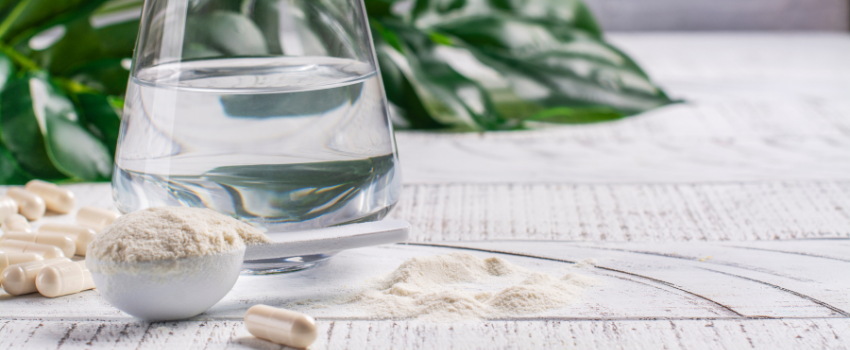
One important principle of vegan friendly skin care is using high quality natural oils and active ingredients. These ingredients have many benefits for the skin. Plant oils like jojoba, rosehip, and argan give essential fatty acids and anti-oxidants. They help nourish and protect the skin.
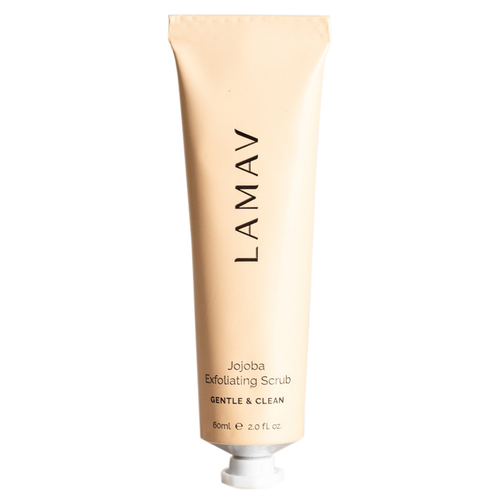
Fruit enzymes, like papaya and pineapple, gently exfoliate and brighten the complexion. Hyaluronic acid, derived from plants like wheat or soy, helps to hydrate and plump the skin.
Common ingredients to avoid in non vegan skin care
Here are some common ingredients to watch out for in non vegan skin care products:
- Collagen: Derived from animal bones, skin, and connective tissues, collagen is commonly used in anti aging products. However, vegan alternatives like plant derived peptides can offer similar benefits without the ethical concerns.
- Beeswax: Found in lip balms, moisturisers, and creams, beeswax is often used as a natural emollient. Vegan alternatives include candelilla or soy wax, which provide similar moisturising properties.
- Lanolin: Derived from sheep's wool, lanolin is a popular ingredient in lip balms and moisturisers due to its emollient properties. Plant based alternatives like shea butter or cocoa butter offer similar benefits for the skin.
- Carmine: A red pigment derived from crushed insects, carmine is often used in cosmetics to provide colour. Vegan alternatives include plant based dyes like beetroot or berry extracts.
- Gelatin: Derived from animal collagen, gelatin is commonly found in sheet masks and skin care products. Vegan alternatives include plant based hydrocolloids like agar or carrageenan.
.png)
Essential vegan skin care products for a daily routine
Building a vegan skin care routine is all about finding the right products for your skin type and concerns. Here are some essential skin care products that can form the foundation of your daily routine:
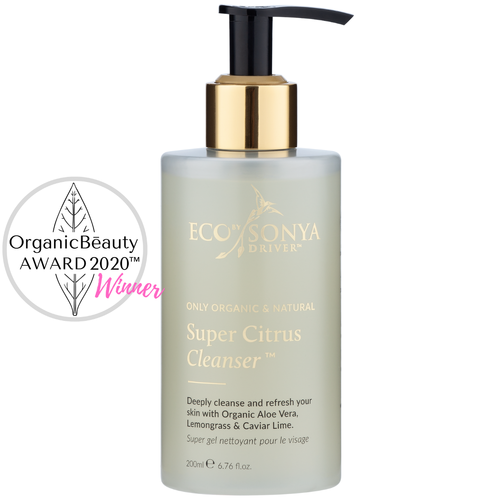
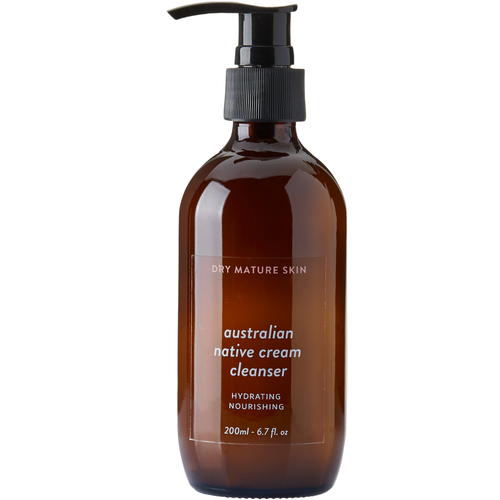
- Cleanser: Begin your skin care routine with a gentle vegan face soap. It removes dirt, oil, and makeup without harming your skin. Look for ingredients like aloe vera, chamomile, or coconut oil that soothe and hydrate the skin.
- Toner: A vegan toner helps to balance the skin's pH levels and prepare it for further skin care steps. Good options include witch hazel, rose water, and green tea. These ingredients help tighten pores and offer anti-oxidant benefits.
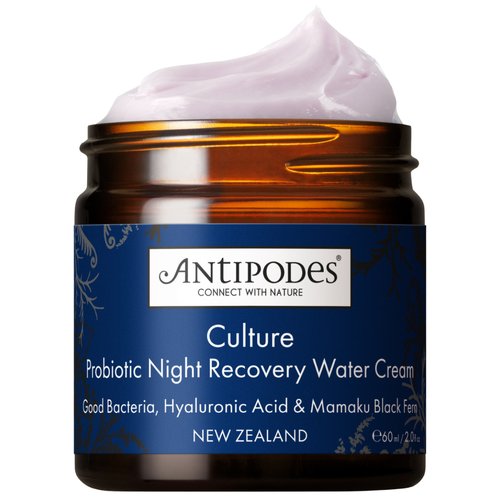
- Moisturiser: Hydration is key to maintaining healthy and glowing skin. Choose a vegan moisturiser that suits your skin type, whether it's a lightweight gel for oily skin or a rich cream for dry skin. Look for moisturisers with ingredients like hyaluronic acid, shea butter, or jojoba oil that nourish and hydrate the skin.
- Serum: Serums are concentrated treatments that target specific skin concerns, such as aging, hyper-pigmentation, or acne. Look for vegan serums with ingredients like vitamin C, niacinamide, or plant extracts that address your specific skin needs.
- Sunscreen: Protecting your skin from harmful UV rays is essential for maintaining its health and preventing premature aging. Choose a vegan sunscreen with broad spectrum protection and an SPF of at least 30.
Vegan skin care for different skin types
Vegan skin care is suitable for all skin types, including sensitive, oily, dry, and combination skin. Here are some tips for tailoring your vegan skin care routine to your specific skin type:
- Sensitive skin: Opt for gentle vegan cleansers and moisturisers that are free from harsh chemicals and synthetic fragrances. Look for ingredients like chamomile, aloe vera, or calendula that soothe and calm the skin. Consider organic suntan lotion, to protect your gentle skin.
- Oily skin: Pick lightweight and non-comedogenic vegan skin care products. These won't clog pores or add extra oil. Look for ingredients like tea tree oil, witch hazel, or salicylic acid. They help control oil production and clear the skin.
- Dry skin: Use vegan skin care products that hydrate and nourish. These products help add moisture and strengthen the skin's barrier. Look for ingredients like hyaluronic acid, shea butter, or avocado oil that provide intense hydration and minimise fine lines.
- Combination skin: Combination skin requires a balanced approach, targeting different areas with specific products. Apply a lightweight moisturiser to oily areas. Use a richer moisturiser for dry areas. Look for products with ingredients like niacinamide or jojoba oil that help to balance and harmonise the skin.
.png)
Cruelty free certifications to look for in vegan skin care brands
When choosing vegan and cruelty free face care products, look for trusted cruelty-free certifications. This helps ensure the brand is truly committed to ethical practices. Here are some certifications to look out for:
- Choose Cruelty Free: The Choose Cruelty Free logo shows that a product is certified vegan. This means it has no animal ingredients or by-products. This certification ensures that the brand follows strict vegan standards throughout its production process.
- Leaping Bunny: The Leaping Bunny logo shows that a brand is cruelty-free. This means it does not test its products or ingredients on animals. To get this certification, brands must follow strict rules. They also undergo independent checks to make sure no animal testing happens.
- PETA's Beauty Without Bunnies: program certifies that a brand is cruelty-free. This means they do not test on animals. The program has a complete database of cruelty-free brands. This makes it a helpful resource for vegan skin care fans.
For easy and smooth experience, shop at vegan and cruelty-free stores like Sassy Organics. They offer some of the best vegan beauty products in Australia.
Final thoughts
Vegan skin care offers a holistic approach to taking care of your skin while aligning with your ethical values. By learning the basics of vegan skin care, you can avoid non-vegan ingredients.
Look for trusted certifications so that you can make choices that help your skin and the planet. Your skin will thank you, and so will the animals and the planet.
Check out Sassy Organics for top vegan skincare brands.