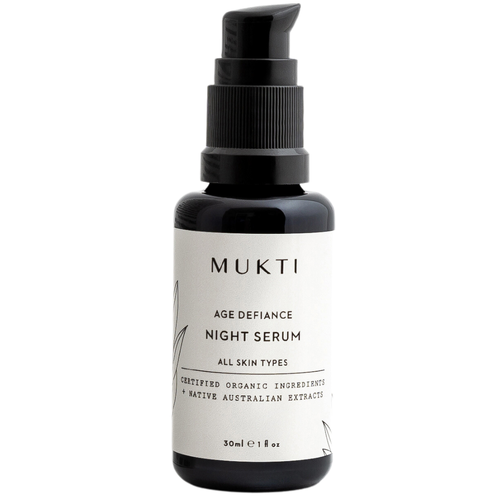
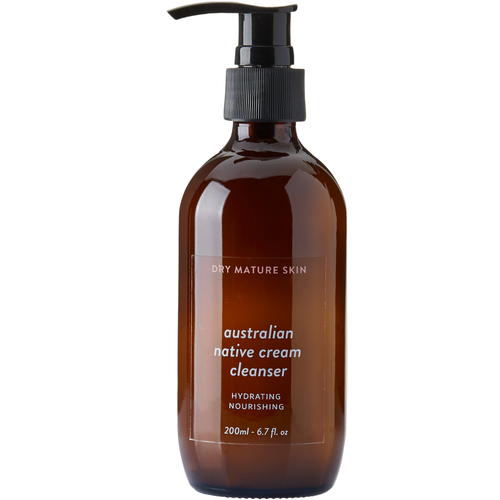
Finding the right skincare routine can be a real head-scratcher. There are thousands of products out there promising to give you the glow you want, but most of us end up with a cluttered bathroom and a complexion that's more confused than clear. This guide is here to cut through the clutter and show you how to create a simple, effective skin skincare routine using natural products that really work.
Skin skincare is a daily routine that's all about giving your skin what it needs to look and feel its best - and that means more than just slapping on some products. It's about taking the time to cleanse, protect, hydrate and repair your skin barrier through a thoughtful and intentional approach to product application. Effective skincare isn't about following the latest trends - it's about giving your skin a chance to heal and balance itself.
Key takeaways
- A simple, consistent skin skincare routine with natural products can improve your skin's texture, tone, and firmness.
- Focus on cleansing, hydrating, moisturizing, and sun protection for best results.
- Natural, cruelty-free skincare supports your skin barrier and the environment.
- Differentiate between dehydrated and dry skin to choose the right products.
- Sensitive, rosacea-prone, and pregnant skin require gentle, barrier-strengthening ingredients.
- Expect visible results after 4 to 8 weeks of consistent skincare actions.
- Lifestyle factors like hydration, nutrition, sleep, and stress management enhance skincare outcomes.
- Use exfoliants 1-2 times a week and avoid harsh scrubs to protect skin firmness.
.png)
Building your natural skincare routine
Building your natural skincare routine is all about discovering the products and steps that truly suit your skin's unique needs. Start by selecting a range of gentle, natural products that you can easily incorporate into your daily routine. K
eep your favourites close at hand and consider your skin's response as you progress, always taking into account any changes or improvements you notice. Remember, consistency is key, so add products thoughtfully and avoid submitting your skin to too many new ingredients at once to prevent irritation.
So, tonight, start with these three simple steps:
- Start by gently washing away the day with a natural cream or oil-based cleanser
- Next, apply a hydrating serum that'll help plump and hydrate your skin
- Finally, finish off with a moisturiser or face oil to lock everything in place
After 2-4 weeks, you can expect to see:
- A reduction in tight, dry patches and a general feeling of comfort and well-being
- Redness and irritation that's calmer and more under control
- A fresh, soft complexion with a healthy glow
- Skin that's smoother and more even-toned
Why does natural, cruelty-free skincare matter?
Since around 2015, there's been a big shift towards natural, cruelty-free skincare - and it's had a huge impact on how products are formulated and tested. And it matters for your daily routine because natural products often work with your skin rather than against it.
Natural skincare products are often made from plant-based ingredients that are less likely to irritate the skin compared to synthetic alternatives.
Many natural skincare brands focus on sustainable practices, including recyclable packaging and sourcing ingredients responsibly to minimise environmental impact.
So, what should you look for in natural skincare?
- Look for plant-based ingredients that support the skin barrier rather than overwhelming it
- Check the packaging - do they use recyclable materials and are they eco-friendly?
- No animal testing is a no-brainer - look for certifications like Ecocert or COSMOS to be sure
- Made in countries with strict standards - like Australia or the EU - is a big plus
Certain ingredients are particularly good for sensitive, eczema-prone or reactive skin:
- Aloe vera is a gentle humectant that soothes and hydrates
- Colloidal oatmeal calms redness and helps strengthen the skin barrier
- Jojoba oil mimics the skin's natural oils, keeping things balanced and comfortable
The thing is, modern clinical trials and lab testing have proven that natural formulas can deliver real, high-performance results. You don't have to choose between clean ingredients and real results.
.png)
Building a simple daily skincare routine
The trick is to keep things simple and consistent. Stick with a streamlined routine for 4-8 weeks and you'll be amazed at the improvements you see in your skin's texture and tone.
Here's a basic morning routine:
- Start by refreshing with a gentle cleanse or water rinse
- Follow up with an antioxidant or niacinamide serum to protect and brighten your skin
- Moisturise to hydrate and create a smooth base for makeup
- Don't forget your broad-spectrum SPF 30+ to defend against the sun
And here's a basic evening routine:
- Thoroughly cleanse with an oil or cream cleanser for acne-prone skin to get rid of sunscreen and makeup
- Hydrate or repair your skin with a serum based on your concerns
- Finish off with a face oil, balm or richer cream depending on your skin type and the season
Timing-wise, you should:
- Allow 30-60 seconds between layers for your skin to absorb everything
- In total, your routine should take around 5 minutes in the morning and evening
Once a week:
- Treat yourself to a mask or a gentle exfoliation
- But be careful not to overdo it - daily harsh scrubs can damage your skin barrier and trigger irritation
Dehydrated vs dry skin: getting hydration right
It's all too easy to get these two conditions mixed up, but they require very different approaches. Understanding the difference will save you from buying products that just won't do the job.
Signs of dehydrated skin:
- You get that tight feeling right after washing your face
- You've got fine lines that disappear when you add some moisture
- Your skin looks dull, even if your T-zone is looking a bit oilier than usual
- You're producing more oil than usual, which can lead to congestion
Signs of dry skin:
- You're seeing visible flakes around your nose and cheeks
- Your skin feels rough to the touch
- Makeup is clinging to patches
- You're more uncomfortable in the winter months
Dehydrated skin needs:
- Lightweight humectants like hyaluronic acid and aloe
- Regular misting to restore moisture
- Avoid over-exfoliating and harsh foaming cleansers
Dry skin needs:
.png)
Key ingredients in modern skincare
Understanding what's in your products is key to making informed choices. Don't be swayed by marketing hype - do your research and find out what's really effective.
Top hydrating ingredients:
- Hyaluronic acid and aloe vera work for all skin types, including oily skin and sensitive types
- They draw water into the skin to leave it looking plump and soft
Barrier-strengtheners:
Brightening and firming goodness:
- Vitamin C (the ascorbic acid forms) really brings up collagen and helps even out your skin tone
- Niacinamide does a great job of regulating sebum and firming up your skin
- Peptides are a big help in repairing your skin, so expect to start seeing improvements in about 6 to 12 weeks
Exfoliating without strips:
- Lactic acid, mandelic acid and a variety of fruit enzymes can help dissolve dead skin cells without causing irritation and ripping apart your skin barrier
- Chemical exfoliants (AHAs/BHAs) are generally preferred over harsh physical scrubs for better skin care results.
- Exfoliants should be used 1-2 times a week to remove dead skin cells and refine skin texture.
Special cases: sensitive skin, rosacea & pregnancy
A lot of people in 2026 are dealing with sensitivity, rosacea, hormonal changes, breakouts or other skin issues that mean you need to be extra gentle with your routine. Here are some handy tips on how to adapt.
For super sensitive skin:
If you struggle with easily irritated or reactive skin, focusing on natural skin care for sensitive skin can make your routine much more comfortable.
- Choose products that are fragrance-free, don't use alcohol and have a super simple list of ingredients
- Always test new products on your arm before using them on your face
- Avoid using scrubs or exfoliants every single day and high-percentage acids that tend to make your skin go irritated
For rosacea-prone skin:
If you suspect flushing and visible capillaries are an issue, exploring natural treatment options for rosacea can help you understand triggers and gentle solutions.
- Calm things down with ingredients like niacinamide, azelaic acid, green tea and oat extracts
- Switch to mineral sunscreens - they're gentler than the chemical sort
- Avoid hot water, super strong retinoids, and anything with too much fragrance
For the pregnant and breastfeeding crowd:
If you also deal with flare‑ups of dryness or itchiness, reading about a natural approach to managing eczema can give you extra ideas for gentle care.
- Avoid retinoids and high-strength salicylic acid altogether
- Focus on keeping things simple with a hydrating routine, a mineral SPF and nourishing oils
- Always check with your healthcare pro before using any new actives
Tracking your progress:
.png)
Night-time repair: oils, balms & treatments
Your skin does most of its repair work between 10pm and 2am, so your evening routine really is critical for getting the results you want and keeping your skin looking its youthful best.
Evening cleansing:
- Use oil or balm cleansers to get rid of sunscreen and makeup without stripping your skin bare
- Follow up with a gentle second cleanse if you need to get rid of any extra grime
Night-time face oils and balms:
Treatment products:
- Introduce one "active" product at a time at night - that might be something like a peptide serum or a barrier-repair formula
- Start slow and increase usage as your skin starts to get used to it
For acne-prone or congested skin:
- Don't overdo it with heavy occlusive 'slugging' every single night - that can clog up your pores
- Instead, try a lighter 'quenching' moisturiser that won't clog your pores
Sun protection & everyday skincare
Daily SPF is the single most important step in long-term skincare - even on cloudy days. Broad-spectrum sunscreens protect against both UVA and UVB rays, which are responsible for skin damage and aging. UV radiation gets through cloud cover and contributes to photoaging 365 days a year.
Understanding SPF:
- SPF30 blocks about 97% of UVB rays
- SPF50 blocks around 98%
- Always make sure your SPF is broad-spectrum, protecting you from both UVA and UVB rays
- Daily application of sunscreen is crucial, even on cloudy days, as up to 80% of UV rays can penetrate through clouds.
Physical vs chemical filters:
- Physical (mineral) sunscreens use zinc oxide or titanium dioxide to block UV rays. They're great for sensitive skin or acne-prone skin
- Chemical sunscreens absorb UV and turn it into heat, which can be a problem for some people
Practical application:
- Use a good amount - think 2-3 finger lengths for face and neck
- Reapply every 2 hours if you're outside, after swimming, or after sweating
Additional protection:
- Add a hat, sunglasses, and try to stay in the shade
- Avoid peak UV hours (roughly 10am - 3pm local time)
.png)
Lifestyle habits that support your skincare results
Your skin is a reflection of your lifestyle, your diet, sleep and stress levels - not just the products you apply. Work on building these habits to get better skin.
Hydration:
Topical mists and toners, such as those based on hydrating rose water for skin, can complement what you drink during the day.
- Aim for a good 1.5-2 litres of water a day, and adjust according to the weather and your activity level
- Add in some water-rich foods like cucumber, berries and citrus
Nutrition:
Pairing a skin‑friendly diet with top natural skin care products in Australia gives your barrier support from both inside and out.
- Eat antioxidant-rich foods like berries, leafy greens and tomatoes
- Include healthy fats like olive oil, avocado and walnuts to support your skin barrier
- Protein is great for collagen production
Sleep and stress:
- Get in 7-9 hours of sleep per night
- Try some stress-reducing habits like evening walks, reading, or gentle stretches
Environment:
- Try to avoid smoking and keep your drinking low to protect your skin
- Cleanse your skin thoroughly after being exposed to heavy pollution or intense exercise
Designing your personal skincare plan
Don't copy someone else's 10-step routine - create a plan that fits in with your lifestyle and addresses your specific skin concerns. For younger skin, that might mean a very simple, natural routine focused on the best natural skin care for teenagers.
Work out your priorities:
-
Pick the top two things you want to address - dryness, breakouts, dullness or redness, for example* Pick out 1-2 active products that are specifically designed to tackle those specific problems
Getting new products onto your skin safely:
- Introduce one product at a time, over a 7-14 day period at most
- Start with 2-3 times a week to begin with, monitoring for any signs of irritation before you start using it every day
A three-month roadmap to getting your glow back:
- Month 1: It's all about giving your skin some TLC - gentle cleansing, hydrating, and protecting it so it can start to repair itself
- Month 2: Now we start getting a bit more serious & gradually add in some of those targeted actives; still not too much at first though
- Month 3: By now you'll hopefully be seeing some real results, so it's time to reassess what's working and what might need tweaking - as well as make any changes as the seasons change
.png)
FAQ
Why should I consider face serums?
Serums deliver concentrated active ingredients for specific skin concerns such as brightening and anti-aging.
What does vitamin c do for your skin?
- Vitamin C is known for its ability to brighten the skin and improve overall skin tone by reducing the appearance of dark spots and hyperpigmentation.
- Vitamin C is a powerful antioxidant that helps protect the skin from damage caused by free radicals and environmental stressors, contributing to healthier skin.
- Regular use of Vitamin C can help stimulate collagen production, which is essential for maintaining skin elasticity and reducing the appearance of fine lines and wrinkles.
Do I need a separate skin care routine for morning and night?
Moisturizing should differ between morning (lightweight formula) and night (richer creams).
Double cleansing is recommended at night to effectively remove makeup and sunscreen residues.
When can I expect to see results if I commit to a good skin care routine?
A consistent skincare routine typically yields noticeable results within 4 to 6 weeks.
What's a good but simple skin care routine?
A good skincare routine relies on three essential steps: cleansing, moisturizing, and sun protection (SPF).
Why should I consider cruelty free products?
Cruelty-free skincare products are formulated without testing on animals, aligning with ethical consumerism trends in the beauty industry.
What are best skin care products for sensitive skin?
- Sensitive skin often requires products that are free from common irritants such as fragrances, alcohol, and harsh chemicals to avoid reactions.
- It is recommended to perform a patch test before using new products on sensitive skin to identify any potential allergic reactions.
- Barrier-strengthening ingredients are essential for sensitive skin as they help to calm and soothe irritation while supporting overall skin health.
- Using a toner can help balance skin pH and remove excess sebum, especially for acne-prone or dry skin.
I have very dry skin, what products do you recommend?
- Hydration is essential for maintaining skin elasticity and preventing signs of aging, as well as keeping the skin barrier intact.
- Using products with hyaluronic acid can significantly improve skin hydration, as it can hold up to 1000 times its weight in water.
.png)
Final thoughts
You won't see overnight changes in texture, wrinkles & spots - this stuff takes time & it really does take 8-12 weeks to see some tangible results - but hang in there - be consistent and trust that your skin has got what it needs to fix itself
Its time to get started - tonight - by following three simple steps & tracking your progress - & you should start to see your confidence grow right along with your glow