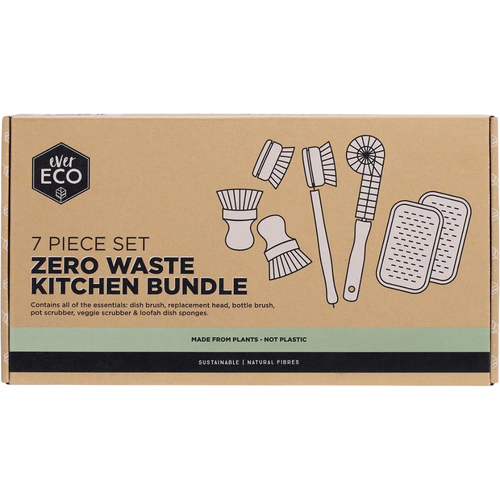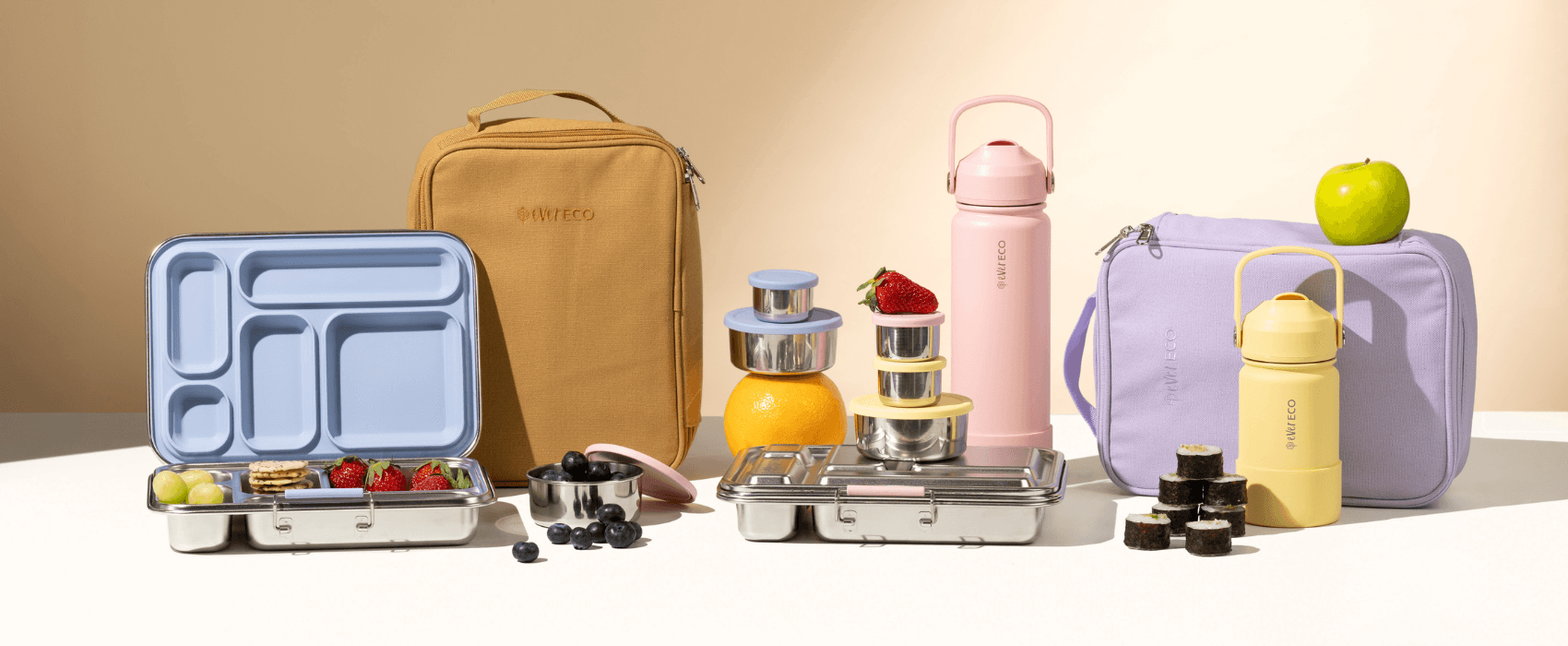
Zero waste is a set of principles focused on waste prevention that encourages redesigning resource life cycles so that all products are repurposed or reused, aiming to avoid sending trash to landfills, incinerators, or oceans. Ready to embrace a zero waste lifestyle that protects our planet?
This guide is for individuals and families looking to reduce their environmental impact through practical zero waste strategies. Discover actionable steps, sustainable products, and eco-friendly alternatives designed for every household. From reducing plastic waste to composting organic waste, our guide combines proven methods, premium sustainable products, and step-by-step advice to help you achieve zero waste living.
Start your zero waste journey today and create a healthier future for generations to come.
.png)
Understanding the environmental consequences of waste highlights the urgency of adopting zero waste principles. More than 40% of our climate impact comes from our consumption emissions, which include how we extract, consume, and dispose of our products and food. This significant contribution to climate change underscores the importance of reducing waste at its source.
According to a 2012 World Bank report, urban populations produced 1.3 billion tons of municipal waste, with projections estimating this figure will rise to 2.2 billion tons by 2025. This rapid increase in waste generation intensifies the strain on landfill capacities and waste management systems globally.
Health concerns are also linked to waste disposal practices. Studies have demonstrated a positive association between increased lung cancer mortality rates and elevated morbidity and mortality related to respiratory diseases due to hydrogen sulfide exposure from landfills. These findings emphasize the risks that poorly managed waste sites pose to nearby communities and the critical need for sustainable waste solutions. You can read more about this in the study on health impacts of landfill hydrogen sulfide.
By embracing zero waste strategies, we can mitigate these environmental and health impacts, promoting a responsible approach that protects both planetary and human health.
Zero waste is important as it can help reduce waste significantly, allowing individuals and businesses to adopt more sustainable practices that mitigate climate change and protect the environment. By focusing on reducing waste at the source instead of managing it afterwards, zero waste strategies address the root of the problem. This approach not only conserves natural resources and reduces pollution but also encourages a shift toward a circular economy where materials are continually reused and repurposed.
.png)
The 5 R's of zero waste are Refuse, Reduce, Reuse, Recycle, and Rot, which provide a framework for individuals and businesses to minimize waste effectively. This hierarchy, endorsed by the Zero Waste International Alliance, helps prioritize actions from most to least impactful for environmental protection:
With this foundation, you can confidently begin your zero waste journey.
Whether you’re just starting or ready to go fully zero waste, there’s an approach for every living situation.
Start with simple swaps that deliver immediate results. These small changes significantly reduce waste without overwhelming your daily routine:
Build momentum through cost-effective starter swaps. These changes protect both your wallet and natural resources while establishing sustainable consumption patterns.
.png)
Once you’ve mastered the basics, expand your zero waste goal with comprehensive strategies:
Zero waste beauty routines represent a significant opportunity to reduce environmental impact:
Australian brands like The Australian Natural Soap Company and Ever Eco offer organic, vegan options aligned with clean beauty values.
Address advanced challenges including:
Consider your complete supply chain - from production processes to disposal - when making purchasing decisions.
Sustainable practices become family adventures with the right approach:
These swaps teach children that protecting human health and planet health go hand in hand.
Sustainable baby products reduce waste generation during those high-consumption early years:
Transform education into action through hands-on activities:
Birthday parties featuring eco-friendly and natural gifts or experiences over plastic toys create meaningful celebrations without waste guilt.
Next, let's explore how to tailor zero waste approaches to different types of homes and households.
.png)
The right strategy enhances your sustainability goals while fitting your lifestyle and budget.
Limited space doesn’t limit your zero waste ambitions:
Focus on multi-purpose quality products that serve several functions:
A single set of glass containers handles food storage, meal prep, and leftovers
Concentrate on reducing incoming waste rather than elaborate recycling solutions that demand space you don’t have.
Whole-house zero waste systems accommodate multiple family members with varying commitment levels:
Larger investments deliver proportionally larger returns:
These infrastructure improvements support sustainable development across your entire household for years.
.png)
Time-efficient sustainable practices fit demanding schedules:
Grab-and-go sustainable options simplify commuting and travel:
A dedicated work bag containing reusable utensils, a water bottle, and a cloth napkin eliminates daily waste without daily decision-making
Low-maintenance systems that don’t require constant attention prove most sustainable long-term.
Zero waste living saves money when approached strategically, especially when you prioritise plastic free products and reusable essentials:
Long-term savings from sustainable swaps add up significantly:
Australia’s current consumption patterns mean the average person generates nearly 2.9 tonnes of waste annually - reducing this protects both your finances and finite resources.
Next, discover the essential zero waste products that last and support your sustainable lifestyle.
.png)
Quality sustainable products should perform better and last longer than conventional alternatives.
Durability defines true zero waste products. Look for:
Australian-made options and organic alternatives available through eco retailers, including top Australian natural soap brands, ensure your purchases support local businesses and sustainable manufacturing processes.
Australian brands emphasise organic, vegan makeup formulations that align with clean beauty values and environmental protection.
DIY personal care empowers complete control over ingredients:
Simple recipes for body scrubs, facial oils, and deodorants using organic materials without toxic chemicals
These homemade products reduce both plastic waste and exposure to questionable additives in commercial formulations.
.png)
Non-toxic formulations protect families, pets, and the environment simultaneously. Simple DIY cleaning solutions using common ingredients - white vinegar, baking soda, essential oils - clean effectively without contributing to water pollution or greenhouse gas emissions from chemical production processes.
Next, learn how to implement zero waste successfully in your home, step by step.
Zero waste is achievable with the right approach. Implementation strategies make it uniquely yours.
Transform your home systematically rather than chaotically. Follow these steps for a smooth transition:
Checklists and timelines prevent overwhelm while ensuring progress. A twelve-week transition plan allows thorough habit formation before adding new changes. Organisation systems for zero waste products - labelled jars, dedicated drawers, visible composting bins - support consistent use.
.png)
Next, explore how to shop for sustainable zero waste products and make every purchase count.
Curated zero waste starter kits from Australia's safest vegan and organic destination simplify beginning your journey with complementary products chosen by experts. Individual sustainable swaps allow targeted replacement of specific disposables as they wear out. Both approaches reduce waste effectively while respecting your timeline and budget.
Australian organic brands and cruelty-free options that champion zero waste initiatives in Australia ensure your purchases align with comprehensive ethical values. Plastic-free beauty, eco friendly home goods, and sustainable packaging initiatives demonstrate that quality products and environmental responsibility complement each other perfectly.
Consider each purchase as a vote for the world you want to create. Choosing quality products from responsible companies supports sustainable development across entire industries while reducing your personal environmental impact.
Your zero waste lifestyle transformation starts with choosing the right sustainable products and strategies.
.png)
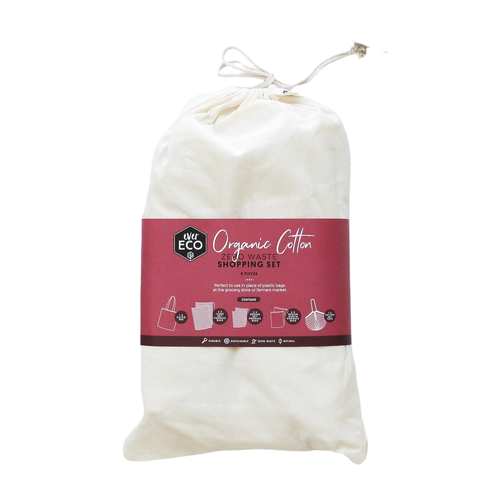
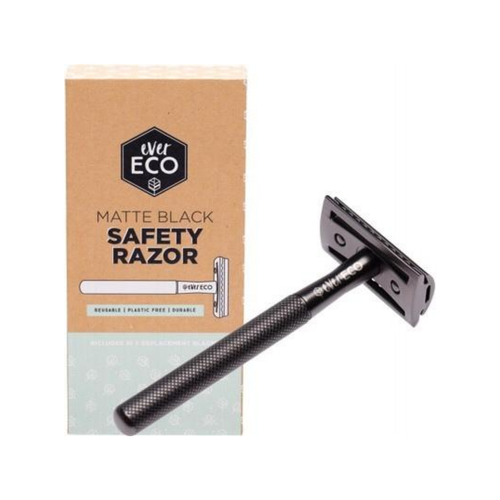
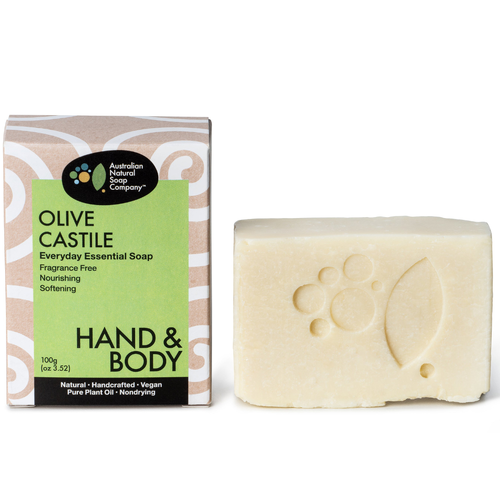
Here are five plastic-free products from Sassy Organics that support zero waste living:
These products combine sustainability with practical use for a zero waste lifestyle. You can find them on Sassy Organics’ website.
For genuine zero waste shopping in Australia, Sassy Organics is a great choice. We offer organic, vegan, and cruelty-free products designed with sustainability in mind. Our focus on eco-friendly packaging and product redesign helps reduce discarded materials and supports sustainable natural cycles.
By shopping with Sassy Organics, you’re helping reduce resource extraction and waste that ends up in landfills or incineration. To reduce waste while shopping online, choose products that are durable, reusable, and made from natural ingredients that support plant health and minimize environmental impact. This way, you contribute to a healthier planet while enjoying high-quality, zero waste products.
.png)
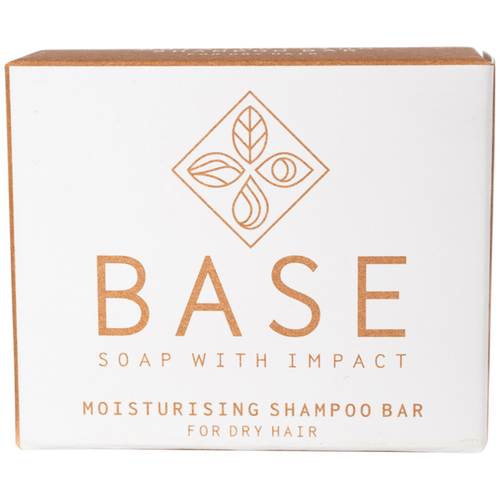
Switching to solid personal care products, like bar shampoos and bamboo toothbrushes, eliminates plastic bottle waste.
Sustainable produce choices, such as selecting 'ugly' fruits and vegetables and storing them in a reusable produce bag that keeps veggies fresh, prevent food waste and support local farmers.
To adopt zero waste practices, individuals and businesses should focus on reducing waste at the source, such as by donating items before considering recycling.
Embracing a zero waste lifestyle is a powerful way to protect our planet, conserve raw materials, and reduce pollution from landfills and waste incineration. By adopting practical strategies and choosing sustainable products, you can contribute to emulating sustainable natural cycles and fostering a healthier environment for future generations. Every small action counts - start today and be part of the global movement toward zero waste.

Simple instalment plans available instantly at checkout
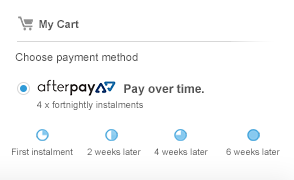

Use your existing debit or credit card

No long forms, instant approval online

Pay fortnightly, enjoy your purchase straight away!
All your need is:
1) An Australian Visa or Mastercard debit/credit card; 2) To be over 18 years of age; 3) To live in Australia
To see Afterpay's complete terms, visit https://www.afterpay.com.au/terms
© 2026 Afterpay